
For many football fans, the FIFA World Cup is more than just a competition—it is a deeply personal and nostalgic experience. People often remember their first World Cup vividly: watching every match with excitement, collecting sticker albums, and idolizing their favorite players. For many, it was a time of joy, imagination, and connection with the sport.
As those fans grow older and start families of their own, they naturally want to pass that same passion on to their children. They want their kids to wear their favorite team’s colors, cheer during matches, and feel part of something bigger. However, in today’s world, recreating that experience comes with a significant financial cost—especially when it comes to buying official kits.
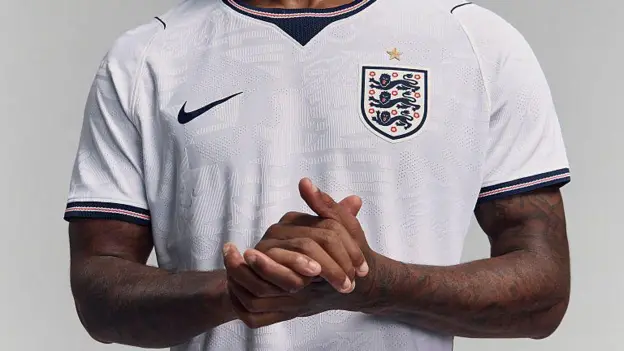
For supporters of England national football team, the price of official merchandise has reached surprisingly high levels. A full children’s kit, including shirt and shorts with a personalized name and number, can cost as much as £122.98 for kids aged between seven and 15. For younger children, the infant version of the kit is priced at £64.99.
Adults are not spared from the high costs either. An official England shirt with a customized name and number comes in at £104.99. When you combine these expenses, the total cost for a typical family quickly adds up.
Imagine a household with two parents, one older child, and a toddler—all eager to support their national team during the World Cup. If the parents each buy a shirt, the older child gets a full kit, and the toddler also has a kit, the total cost reaches an eye-watering £397.96. This raises an important question: has supporting your team become a luxury?
A major factor behind these prices is the dominance of global sportswear giants such as Nike, Adidas, and Puma. These three brands manufacture almost all of the World Cup kits currently available.
Interestingly, pricing strategies differ between these companies. Adidas and Puma generally price their international kits similarly to their club kits for teams like Arsenal, Liverpool, Manchester United, and Manchester City. This consistency suggests a standard approach across competitions.
Nike, however, has taken a slightly different route. The company charges around £5 more for national team kits—such as those for England, France, and the Netherlands—compared to its club kits, including those of Chelsea and Tottenham Hotspur. This means England fans are paying more than supporters of other UK nations like Scotland or Wales, whose kits are produced by Adidas.
In response to concerns about rising prices, Nike has stated that it carefully evaluates production costs while aiming to deliver high-performance products. The company pointed to increasing expenses related to materials, manufacturing, and logistics as key reasons behind the price hikes.
Adidas has also defended its pricing, emphasizing the advanced technology, research, and high-quality materials that go into producing modern football kits. According to the brand, these factors justify the cost, while also ensuring that fans receive durable and high-performing products.
Puma, which supplies kits for teams such as Portugal, Morocco, and New Zealand, positions itself between the two competitors—offering prices higher than Adidas but still lower than Nike.
Despite these explanations, a closer look at the actual cost of producing a football shirt reveals a significant gap between manufacturing expenses and retail prices. According to sports merchandise expert Dr. Peter Rohlmann, producing and shipping an official adult replica shirt costs approximately £8.50. An additional £9.50 is spent on marketing, licensing, and distribution.
Even after accounting for VAT—around £17.50 on a £104.99 shirt—the remaining profit is substantial. Estimates suggest that about £64.49 per shirt is left as profit, which is then shared between the manufacturer and retailer. This breakdown has led many fans to question whether the current pricing is justified.
Another point of debate is how much prices have increased over time. While inflation has risen by around 14.6% since the last World Cup, the price increases from Nike and Puma have exceeded this rate. Adidas, on the other hand, has kept its price increases relatively lower.
The issue has also attracted attention from public figures. Stephanie Peacock acknowledged that pricing decisions are ultimately commercial matters but expressed sympathy for fans struggling with affordability. She highlighted the importance of ensuring that football remains accessible to everyone.
Supporters themselves have mixed opinions. Some, like England Supporters Travel Club member Nick Jones, are not entirely surprised by the high prices. He points out that international kits are typically used for two years, unlike club kits that change every season, which could make them better value in the long run.
However, he also notes that wages have not kept pace with inflation, making these purchases more difficult for many families. He expressed particular concern about the pricing of children’s kits, suggesting that they seem disproportionately expensive given the smaller amount of material used.
As a result of these rising costs, many fans are turning to alternative options—most notably counterfeit kits. The market for fake football shirts has grown rapidly in recent years, with many supporters purchasing unofficial replicas online at a fraction of the cost.
These counterfeit kits, often produced in Asia, can cost as little as £10. While they lack the quality and authenticity of official merchandise, their affordability makes them an attractive option for fans who simply want to show their support without overspending.
Jones admits that he does not blame fans for choosing this route. In fact, links to cheaper replica kits are frequently shared among supporter groups, reflecting a broader shift in consumer behavior.
For many fans, wearing a team’s shirt is an essential part of the World Cup experience. Whether watching matches in the stadium, at home, or with friends, the kit symbolizes identity and belonging. This is especially true for children, who often feel a strong desire to be included and not miss out.
Ultimately, the rising cost of football kits highlights a growing tension between commercial interests and fan accessibility. While brands continue to innovate and expand their offerings, the question remains: are they pricing out the very supporters who make the sport so special?
As the World Cup approaches, families will once again face the decision of whether to invest in official kits or seek more affordable alternatives. For many, the love of the game remains unchanged—but the price of expressing that love has never been higher.
For more sports news, updates, and insights, visit: https://netsports247.com/