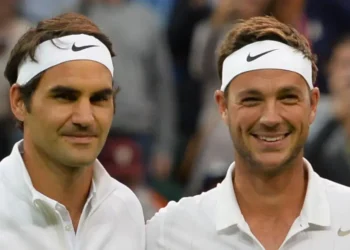

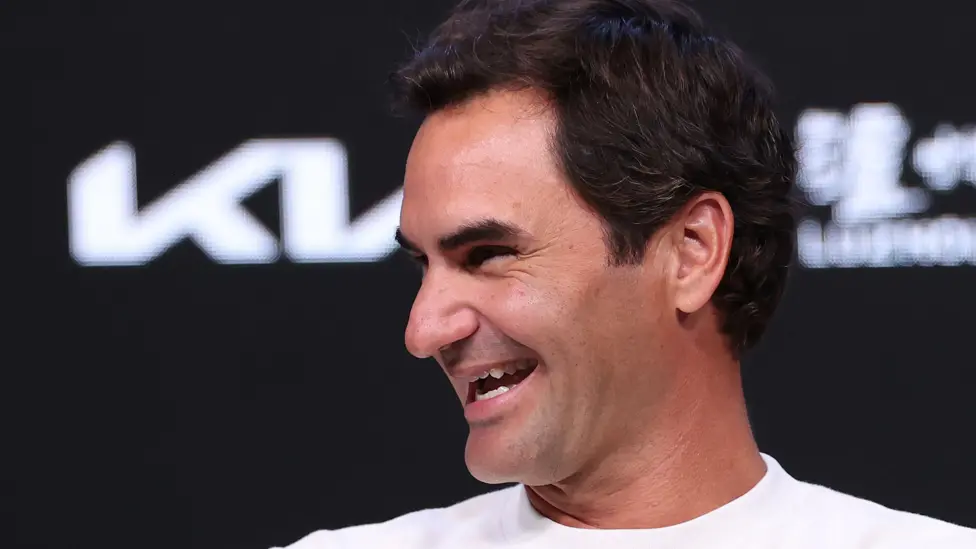
The Australian Open has earned a special place in tennis lore, thanks in no small part to Roger Federer, who famously dubbed it the “Happy Slam.” This nickname has become synonymous with the tournament’s identity, highlighting both its festive atmosphere and widespread popularity among players and fans alike. As the first Grand Slam of the season, it consistently draws record-breaking attendance, while introducing innovations that have captured global attention.
This year, the tournament featured one such innovation: the “One Point Slam,” which has been hailed as a success in drawing new audiences to the sport. However, the three-week spectacle has also exposed some challenges. Complaints over intrusive behind-the-scenes cameras, overcrowded grounds, and questions about the genuine interest of some attendees have surfaced during the event.
As Craig Tiley, the tournament director and architect behind much of the Australian Open’s growth, reportedly looks to new professional horizons, questions are emerging about the tournament’s future direction. Will it continue to evolve as the “Glastonbury of tennis,” a term reflecting its unique blend of sport, entertainment, and culture?
Historically, Grand Slam events were two-week affairs. The Australian Open, however, has become a three-week extravaganza, extending the spectacle and building on fan engagement. Previously, the week before the main draw was a quieter period, with limited crowds watching qualifiers and players practicing away from public view. Today, the tournament has embraced a “festivalisation” approach, according to Tiley, making the entire experience far more dynamic and inclusive.
Beyond the One Point Slam, this year’s Australian Open opened with a ceremony that doubled as an evening with Federer, showcasing other stars like Novak Djokovic and Aryna Sabalenka in warm-up matches on the iconic Rod Laver Arena. While tickets for such events contribute to significant revenue, they also reflect a deliberate strategy to broaden the tournament’s appeal beyond traditional tennis fans.
The Melbourne grounds now host a range of attractions that rival major music and cultural festivals. Concerts featuring international acts, collaborations with trendy restaurants, and family-focused entertainment have turned the event into a multi-dimensional experience. This approach reached its pinnacle with the AO Live shows, headlined by Berlin-based DJ Peggy Gou and Australian rapper The Kid Laroi, who drew 10,000 fans each to the John Cain Arena, the tournament’s third showcase venue. The stadium’s atmosphere, often compared to an Ibiza beach club, underlines the merging of sport and lifestyle.
Tiley believes that attracting a broader audience not only enhances the Australian Open’s profile but also strengthens its commercial and competitive position relative to Wimbledon, the French Open, and the US Open. A former University of Illinois college coach and captain of the South African Davis Cup team, Tiley has overseen this transformation since joining Tennis Australia in 2005.
Those who have worked with him praise his innovative approach. American doubles legend Rajeev Ram, who played under Tiley at Illinois, described him as a leader in turning college tennis “from a sport into a spectacle.” Tiley introduced marching bands during intermissions, organized themed giveaways on holidays like Valentine’s Day and St. Patrick’s Day, and generally sought to make matches more engaging and memorable. Many of these ideas were revolutionary at the time.
Tiley has never shied away from proposing bold changes. Recently, he suggested that women’s singles matches be extended to five sets from the quarter-finals onward, regardless of whether the other three Grand Slams adopt the format. He has also floated further innovations, including an interactive glass court and a 270-degree immersive dome experience.
Despite these ambitious plans, uncertainty surrounds Tiley’s tenure. Rumors suggest he may take up a leadership role at the United States Tennis Association, though he has remained discreet about his future. His potential departure raises questions about the continuity of the Australian Open’s transformative initiatives.
The tournament’s impact extends far beyond the courts. Spanning Melbourne’s city center—from Flinders Street Station past the Melbourne Cricket Ground and into Richmond—the venue has become a cultural hub during the Australian summer. Attendance has surged, with nearly 1.4 million visitors this year, a 16% increase on last year. Veteran tennis journalist Courtney Walsh described Tiley’s influence as “extraordinary,” noting that the tournament’s growth has been unprecedented, from the expansion of six showcase courts to the addition of John Cain Arena as a third major venue.
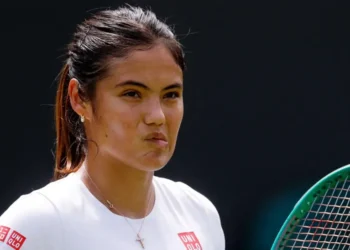
Melbourne Park’s central location, unique among the Grand Slam venues, enhances accessibility and contributes to its appeal. Yet, space remains a constraint. Grounds passes, priced at A$69 (£35) in the early stages, often leave spectators waiting in long lines to see their favorite players, including international stars like Alexandra Eala. Despite the massive scale, organizers continue to balance accessibility with the premium experience expected by fans.
While the festival atmosphere has expanded the event’s appeal, it has also sparked debates about what constitutes the “core” tennis experience. Purists argue that the presence of music, oversized screens, and non-tennis entertainment may detract from the sport itself. Still, Tiley maintains that blending tennis with cultural experiences enhances the tournament’s profile, creates new revenue streams, and secures its place among the top-tier events globally.
Player welfare has also been a focus. With high-profile stars participating in additional events, warm-ups, and ceremonial appearances, the Australian Open must manage schedules carefully to ensure athletes remain competitive and protected from fatigue. The tournament’s evolution reflects an ongoing balancing act between commercial growth, fan engagement, and athletic integrity.
Looking ahead, the Australian Open is poised at an interesting crossroads. It is widely acknowledged as a cultural and sporting festival, yet the question remains: how will it retain its identity if its visionary director moves on? The combination of tennis, entertainment, and lifestyle has positioned it uniquely, but sustaining this model will require leadership that can innovate while preserving the tournament’s competitive essence.
Ultimately, the Australian Open’s status as the “Happy Slam” and the “Glastonbury of tennis” underscores a successful blend of tradition and modernity. While the festival elements add glamour and spectacle, the heart of the tournament remains the players and their performances. As it continues to evolve, Melbourne Park will remain a stage where tennis, entertainment, and culture intersect, shaping the future of the sport for generations of fans worldwide.
For further coverage of tennis news, player updates, and tournament highlights, visit https://netsports247.com