
Booing in football has long been part of the sport’s culture. It’s as common as pre-match drinks or grabbing a pie at half-time. For decades, players and referees have understood that criticism from the stands comes with the territory. But in recent seasons, a noticeable shift appears to be happening: fans are increasingly directing their frustration at their own teams and managers. The question is — is this trend truly growing, and if so, what’s behind it?
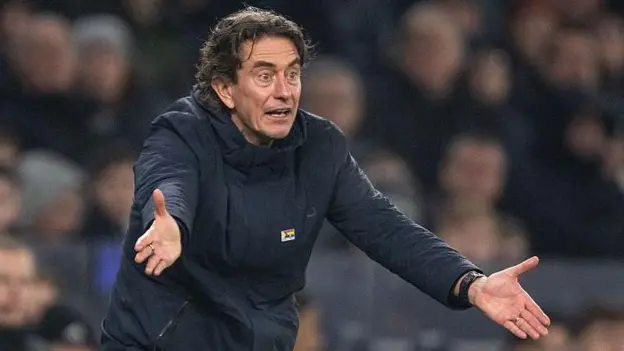
This season alone has produced several high-profile examples in the Premier League. Thomas Frank faced vocal frustration from Tottenham Hotspur supporters during a poor run of results. A 2-1 home defeat to Newcastle United proved to be the breaking point, with boos echoing around the stadium before his departure. Spurs had managed only two wins in 17 league matches, and the mood among fans had clearly soured.
Frank admitted he understood the anger directed at him. “I understand the frustration,” he said, acknowledging that managers are often the easiest target when results dip.
He wasn’t the only one under pressure. Arne Slot and his Liverpool squad also experienced criticism from segments of their supporters, although on a smaller scale. Meanwhile, in the Women’s Super League, Brian Sorensen heard clear signs of dissatisfaction from Everton fans at Goodison Park before eventually losing his job.
Booing isn’t confined to one league or one gender. It spans the entire football pyramid.
Do Players Really Notice?
Former England striker Wayne Rooney is no stranger to fan reaction. He famously criticized England supporters back in 2010 after they booed the national team. Reflecting on his career, Rooney says fan disapproval has always been present.
“Fans have opinions. Sometimes they’re with you, sometimes against you,” he explained. Rooney believes modern technology — more television coverage, smartphones, and social media — amplifies the visibility of booing, even if the act itself hasn’t dramatically increased.
For Rooney, occasional booing was part of professional football. However, he draws a clear line when abuse becomes personal or targets players’ families.
Former goalkeeper Joe Hart agrees. Booing from away fans, he says, is almost expected. Home supporters, though, are a different matter. Even so, Hart insists it rarely affected his focus.
“I don’t have scars from it,” he once remarked, emphasizing that performance levels shouldn’t depend on applause or criticism.
Ex-midfielder Danny Murphy echoes that sentiment. During relegation battles at Fulham, he heard plenty of boos but treated them as motivation rather than discouragement. According to Murphy, professional athletes must accept both praise and criticism. Fans singing your name after scoring a winner is exhilarating — but you can’t expect unwavering support during poor runs of form.
The Psychology Behind Booing
To understand booing, we must look beyond football and into human nature. Stephen Smith, chair of the British Psychological Society’s Division of Sport and Exercise Psychology, suggests that emotional instinct plays a central role.
Humans like to think of themselves as rational beings, but much of our behavior is driven by emotion. Booing produces a deep, guttural sound that resonates physically. According to Smith, it taps into something primal — almost tribal.
In a stadium environment, emotions spread rapidly. If one section begins booing, others quickly join in. The desire to belong to the “tribe” intensifies reactions. It becomes less about a calculated decision and more about shared emotion.
Smith also believes that the relationship between clubs and supporters has shifted over time. Decades ago, fans often felt a deeper mutual loyalty with their clubs. Ticket prices were more affordable, and supporters felt valued. Today, with skyrocketing costs, some fans feel more like customers than lifelong members of a football family.
When supporters invest significant money into tickets, merchandise, and travel, expectations rise. If results don’t match those expectations, frustration grows stronger — and booing becomes a release valve.
Fans Speak Out
Supporters themselves are divided on the issue.
Some, like Spurs fan Ali Speechly, say they would never boo their own manager, though they understand why others might. She believes there’s a connection between ticket prices and fan entitlement. When fans see themselves as consumers paying premium prices, dissatisfaction can feel justified.
Others admit they may join in if the mood spreads. The group mentality of a stadium can sweep individuals along before they fully reflect on their actions.
However, not everyone supports booing. Some argue that backing your team “through thick and thin” is part of football’s identity. Booing, they believe, undermines the very players fans want to succeed.
There are also concerns about external influences. Alcohol and drug consumption before matches can intensify emotions and lower inhibitions. When judgment is impaired, negative reactions may escalate more quickly.
Media and Social Media Influence
Another factor shaping the modern booing debate is the media landscape. Booing incidents that once might have gone unnoticed are now broadcast widely. Television cameras capture every reaction. Social media platforms amplify clips within seconds.
Influencers with massive followings can fuel negativity before kick-off. Fans who spend hours reading critical commentary online may arrive at the stadium already frustrated. The narrative is often set long before the first whistle blows.
This constant cycle of reaction, analysis, and outrage can make booing feel more common — even if statistically it’s hard to prove that it has increased.
Is It Actually Getting Worse?
Determining whether booing is more frequent today is challenging. There’s no historical data tracking decibel levels of dissatisfaction. What is certain, however, is that booing is discussed more than ever before.
Modern media ensures that even minor incidents become talking points. The combination of financial pressures, heightened expectations, and digital amplification creates a perfect storm.
From a purely logical perspective, booing your own players may seem counterproductive. If criticism affects performance, it could damage results further. Yet football isn’t governed by logic alone — it thrives on passion.
As Murphy points out, the emotional intensity of supporters is what makes football special. That same passion can sometimes spill over into negativity. The roar of encouragement and the rumble of disapproval are two sides of the same coin.
Ultimately, booing reflects the complex bond between fans and their clubs — a mixture of loyalty, expectation, frustration, and love. Whether it is increasing or simply more visible, it remains an enduring part of football culture.
For more football analysis and sports features, visit:
👉 https://netsports247.com