
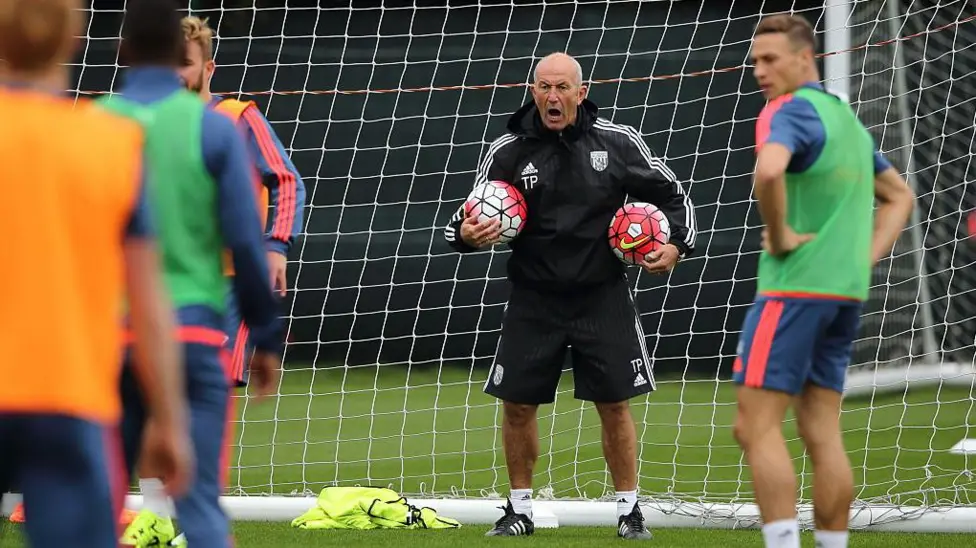
Former Premier League manager Tony Pulis offered an in-depth look at the intense, detailed, and often emotionally charged routine that surrounds matchday in professional football. Drawing from decades of experience at clubs like Stoke City, Crystal Palace, and West Bromwich Albion, Pulis explained that the real work of a manager extends far beyond the 90 minutes on the pitch.
For Pulis, preparation for the next fixture began almost immediately after the final whistle of the previous one. Just two hours after overseeing a match, his attention would already shift forward. The long drive back to the south coast on Saturday evenings — often lasting three hours or more — became a crucial window for reflection and planning. During that quiet time, he would make several important phone calls.
At Stoke, if the team had suffered defeat, chairman Peter Coates would usually check in to discuss the loss. Interestingly, after victories, Coates preferred to let Pulis be, understanding there was no need for reassurance. Regardless of the outcome, Pulis would connect with his trusted assistants, David Kemp and Gerry Francis, analyzing the finer tactical details away from the emotional environment of the stadium.
He would also reach out to his chief scout, who typically attended the upcoming opponent’s match. This conversation provided immediate insight into the next challenge — formations, playing patterns, strengths, weaknesses, and injury concerns. By the time Pulis arrived home, he already had a strong mental picture of the task ahead. His evening would continue with dinner in front of recorded footage of the next opposition, studying their tendencies in detail.
Sunday was reserved primarily for family time, but preparation never fully stopped. Late Sunday night or early Monday morning, he would head back up the motorway, mentally organized and ready to begin shaping the week’s training around a clear tactical vision.
Building Identity During the Week
The training week revolved entirely around the upcoming match. Mondays were lighter sessions for those who played on Saturday, combined with a detailed debrief. Pulis believed strongly in addressing positives and negatives directly on the training ground. Rather than lengthy classroom-style sessions, he preferred correcting issues within live, match-related exercises.
Players who had not featured in the previous match underwent more demanding sessions. This structure ensured sharpness across the squad while reinforcing accountability. At every club he managed, Pulis emphasized understanding team identity. While the tactical approaches differed at Stoke, Crystal Palace, and West Brom, the objectives remained consistent: clarity of purpose, discipline, and maximizing strengths.
He believed a team’s identity and a system suited to its personnel were essential for success. Managers must lead with conviction. Players, he said, will test leadership, but they respond positively to consistency and clarity — especially under pressure.
Against elite opposition, Pulis would amplify confidence within the squad. He sometimes went “overboard” in projecting belief in his tactics and players. The psychological edge, he felt, was critical before facing top teams. Even if it did not always produce results, instilling belief was a fundamental managerial duty.
The Hours Before Kick-Off
As matchday approached, meticulous planning intensified. Pulis placed significant emphasis on set-pieces, both attacking and defensive. Every player understood his individual responsibility. No detail was left ambiguous.
For home games, Pulis would arrive at the stadium around 11am. In earlier years, he even trained himself before kick-off to stay sharp. Once players arrived and settled, he would offer brief, calm words — nothing overly dramatic at that stage.
Approximately 75 minutes before kick-off, once the opposition team sheet was available, he carefully reviewed match-ups. Man-marking was a cornerstone of his tactical philosophy, so ensuring correct assignments was crucial. The final pre-match talk focused solely on confidence and positivity. Negativity had no place in those closing minutes.
Interestingly, Pulis did not always deliver the final motivational speech himself. Before the 2011 FA Cup semi-final at Wembley against Bolton Wanderers, he invited injured striker Ricardo Fuller to address the team. Fuller delivered a passionate speech referencing Nelson Mandela, inspiring the squad to a stunning 5-0 victory. Pulis still believes that moment played a powerful role in the result.
He also admitted to using psychological techniques when Stoke transitioned from underdogs to established Premier League competitors. To maintain hunger and intensity, he would highlight negative media comments or past criticism to spark a reaction within the dressing room.
The Impact of Half-Time
Half-time, according to Pulis, can drastically alter a match’s momentum. He limited his team talks to two or three key points, mindful not to overload players. He had experienced games where a dominant first-half performance quickly unraveled after the break — and vice versa.
One famous example came when Stoke led 2-0 away at Blackburn. Sensing complacency, Pulis sharply criticized captain Ryan Shawcross, despite him playing excellently. The unexpected dressing-room tension refocused the team, who secured victory. Later, he explained his reasoning to Shawcross — anticipating a strong response from Blackburn’s manager Sam Allardyce in the second half.
The tactic worked on that occasion, though Pulis admitted such gambles did not always succeed.
Substitutions and Decision-Making
Modern football allows five substitutions, a stark contrast to the single change permitted when Pulis began his career. With larger squads and elite talent on benches, in-game adjustments now hold significant influence.
Though advanced data and pitch-side analytics are prevalent today, Pulis always trusted his instincts first. While he appreciated analytical progress, he valued experience and intuition above computer-generated insights.
He humorously acknowledged that managers praised for game-changing substitutions often simply corrected initial selection errors. If he had truly been a genius, he said, he would have picked the perfect starting eleven from the outset.
After the Final Whistle
Once the match ended, Pulis shifted focus quickly. Detailed criticism or praise would wait until Monday’s session. Immediately after full-time, the manager faces intense media scrutiny — especially in the Premier League.
Post-match interviews often revolve around tactics, substitutions, and performance analysis. Losing managers face harsher questioning, with narratives sometimes predetermined. Winners receive praise but must remain forward-looking.
Soon after fulfilling media duties, Pulis would be back in his car, already thinking about the next fixture. For him, management was a relentless cycle of preparation, leadership, psychology, and resilience.
Read more sports insights and exclusive football coverage at:
👉 https://netsports247.com