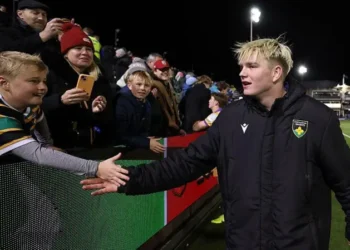

The morning after a dramatic Edinburgh derby victory, there is a noticeable sense of energy around Tynecastle. A last-gasp goal on a cold, rain-soaked night secured three precious points for Heart of Midlothian, extending their advantage at the summit of the Scottish Premiership. The win not only strengthened their position but also intensified the growing belief that something extraordinary could be unfolding in the capital this season.
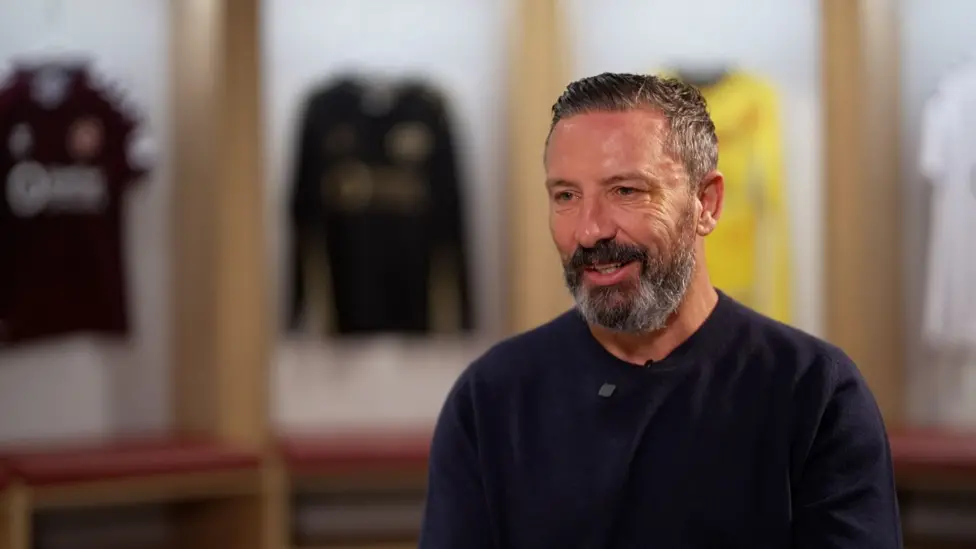
Head coach Derek McInnes admits it was a sleepless night. The adrenaline from such an emotional contest kept him awake until the early hours. Although he finally drifted off around 2am, there are no visible signs of fatigue when he walks confidently into the home dressing room the next morning. At 54, he carries himself with calm assurance, brushing off the late night with a grin. Victories, especially in derbies, have a way of making exhaustion easier to manage.
Hearts have displayed remarkable consistency and resilience throughout the campaign. Since October, they have occupied top spot in the league, a position rarely claimed by any club outside the traditional dominance of Rangers and Celtic. As winter turns to spring, what once sounded like hopeful murmurs about a title challenge has grown into a thunderous conversation across Scottish football.
When asked whether he expected his team to be in such a commanding position at this stage, McInnes responds with refreshing honesty. He confesses that he would not have predicted this scenario, yet he views it as proof of what can be achieved with belief, structure, and unity. The success has not come from lavish spending sprees or headline-grabbing signings, but from a collective effort rooted in smart recruitment and tactical clarity.
It is worth remembering how rare this situation is. The last time the Old Firm’s dominance was genuinely disrupted in Scotland’s top division dates back to the 1980s. During that era, a young Sir Alex Ferguson guided Aberdeen to multiple league titles and domestic cups, along with the unforgettable triumph in the 1983 European Cup Winners’ Cup. That period remains iconic in Scottish football history, serving as a reminder that change, while uncommon, is not impossible.
For McInnes, Ferguson is more than just a historical reference point. The former Manchester United manager remains a trusted mentor and confidant. McInnes speaks regularly with him and values his insights deeply. On the way to the derby match, Ferguson had already offered advice—small but meaningful pieces of guidance on handling pressure and navigating the media spotlight. The experience and perspective of someone who has achieved so much at the highest level provide reassurance in moments of intense scrutiny.
Ferguson is even planning a visit to Tynecastle in the coming weeks. McInnes is eager to tap into his knowledge once more. What surprises the current Hearts squad most is Ferguson’s detailed awareness of their performances. According to McInnes, he analyzes their matches meticulously and discusses individual players as though he watches them every week. That kind of interest reinforces the sense that Hearts’ story has captured attention far beyond Edinburgh.
Another influential figure in the club’s resurgence is Tony Bloom. In June last year, the Brighton owner acquired a 29% stake in Hearts, publicly expressing his desire to challenge the long-standing pattern of dominance in Scottish football. Many assumed this would be a long-term project spanning a decade or more. Few anticipated such rapid progress.
Yet McInnes emphasizes that Bloom’s investment is only one piece of a broader, balanced strategy. Hearts are not operating with unlimited funds. They are not splashing enormous transfer fees on every incoming player. Instead, the club has focused on intelligent scouting, careful planning, and building a cohesive squad. Bloom’s presence has provided stability and belief, but the transformation stems from a unified approach on and off the pitch.
Fans have embraced this unexpected journey with a mixture of excitement and caution. For many supporters, this is unfamiliar territory. The memory of the 1985–86 season still lingers painfully, when Hearts came agonizingly close to the title only to be denied on the final day. A narrow defeat to Dundee, combined with Celtic’s emphatic win elsewhere, handed the championship to the Glasgow side on goal difference.
For younger fans, such as Olympic bronze medallist Eilidh Doyle, this is the first time experiencing a genuine title challenge. Born after that near-miss season, she admits that seeing Hearts at the top feels surreal. Holding a season ticket at Tynecastle, she describes the strange but thrilling sensation of daring to believe. There is a distinctly Scottish reluctance to tempt fate, yet for the first time, many supporters are quietly acknowledging that this team could achieve something special.
The atmosphere inside the stadium reflects that belief. Attendances have grown, and the stands are alive with creativity and passion. One of the season’s most memorable cultural moments has been a viral song dedicated to Portuguese striker Claudio Braga. Written by fan Calum MacKenzie to the melody of Queen’s “Radio Gaga,” the chant quickly spread from a voice note shared among supporters to a social media sensation with millions of views.
The song has become a symbol of unity between the players and the fans. MacKenzie jokes that if Hearts go on to win the league, he will claim partial responsibility. Humor aside, the chant demonstrates how the team’s success has reignited enthusiasm and fostered a powerful bond between the pitch and the terraces.
McInnes, however, remains measured. While he appreciates the narrative of disruption, he avoids bold declarations about lifting the trophy. He acknowledges that at the start of the season, Hearts were viewed as a charming underdog story—competitive but unlikely to sustain a genuine title push. Now, as the months pass and results continue to accumulate, they are beginning to unsettle the established order.
Their record against the Old Firm this season has been impressive, including multiple wins against Rangers and strong performances against Celtic. Still, McInnes understands that maintaining focus is crucial. Each fixture carries weight, and complacency could undo months of hard work.
Privately, he recognizes that leading the league for nearly five months is a remarkable achievement. From an outsider’s perspective, it might seem like an enviable position. Yet the responsibility and scrutiny that accompany such success are immense. Balancing enjoyment with discipline is part of the challenge.
As the season progresses, Hearts find themselves at the heart of a compelling narrative—one that blends history, ambition, community spirit, and calculated ambition. Whether they ultimately secure the title remains uncertain, but their campaign has already reshaped expectations and rekindled belief in competitive balance within Scottish football.
For more sports news and in-depth coverage, visit: https://netsports247.com