
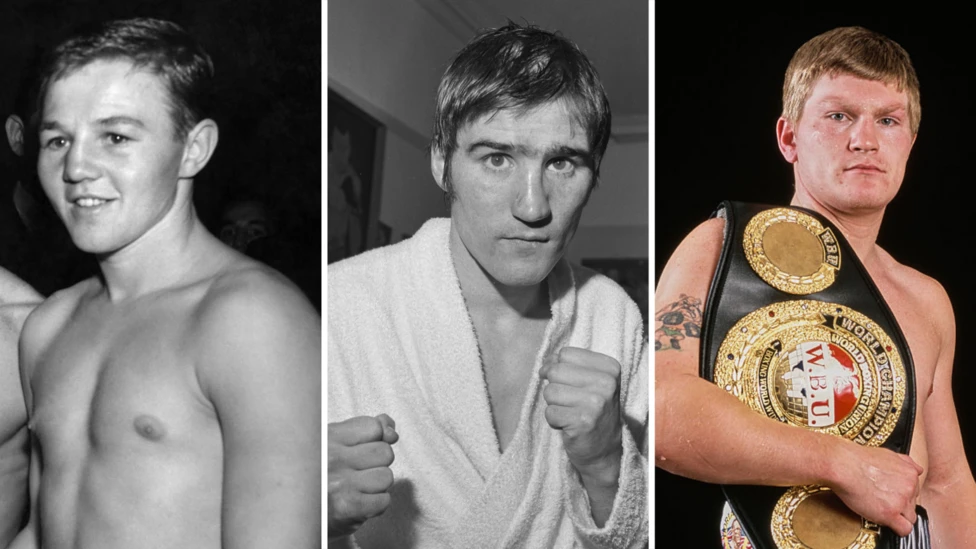
The story of Terry Spinks is both inspiring and deeply tragic, offering a powerful look at the long-term consequences many fighters face after their careers end. In the 1950s, Spinks was not just a successful athlete—he was a national sensation. Born into a modest background as the son of a bookmaker, he rose through the ranks of amateur boxing to achieve the ultimate honor: winning an Olympic gold medal at the 1956 Melbourne Olympics. His victory catapulted him into the spotlight, making him one of the most recognizable sporting figures in Britain at the time.
According to his cousin Rosemary Elmore, Spinks enjoyed a level of fame comparable to modern icons. She described him as the equivalent of David Beckham in his era—someone who could barely walk down the street without being stopped by fans. People would invite him into pubs, celebrate his achievements, and treat him like a hero. However, behind the public admiration and celebratory atmosphere, a far more troubling reality was unfolding.
The physical demands of boxing, combined with repeated blows to the head, began to take a toll on Spinks over time. Like many fighters, he paid a heavy price for his success. Years after his Olympic triumph, he struggled with alcoholism and suffered severe neurological decline. Eventually, his condition deteriorated to the point where he required care in a specialized brain injury clinic. The once-celebrated champion could no longer recognize even those closest to him.
Elmore recalls the heartbreaking moment when Spinks failed to recognize her or anyone else. She ultimately gave up her own career to become his full-time caregiver, relying on a modest carer’s allowance. While she willingly made this sacrifice, she acknowledged that not every former boxer is fortunate enough to have family members who can provide such support. Spinks passed away in 2012 at the age of 74, leaving behind a legacy that highlights both the glory and the hidden costs of the sport.
His story is not an isolated case. A recent BBC documentary examining the life and death of Ricky Hatton has reignited discussions about the lack of long-term care for retired fighters. Despite achieving fame, wealth, and accolades, Hatton’s struggles after boxing underscore a harsh truth: success in the ring does not guarantee happiness or security afterward.
This ongoing issue has led some within the boxing community to propose solutions aimed at supporting retired athletes. One such initiative comes from the Ringside Charity Trust, which is advocating for the creation of a dedicated care home for former boxers. The proposed facility would include 36 beds and provide specialized medical care tailored to the unique needs of fighters, particularly those suffering from conditions like dementia or brain injuries.
Supporters of this idea believe such a facility could significantly improve the quality of life for retired boxers. For example, Jimmy Revie, a former British champion, is currently living with dementia. His wife Louisa takes him to gatherings of ex-boxers, where he briefly regains a sense of identity and connection. Seeing familiar faces and hearing old greetings helps bring back fragments of his past.
Louisa strongly supports the idea of a specialized care home. She envisions a place where former fighters would be surrounded by people who understand their experiences. Staff trained in boxing-related health issues could provide better care, while shared spaces—such as a cinema showing classic fights—could create a comforting and familiar environment. According to her, such a setting would allow these individuals to “flourish” rather than simply exist.
Another voice advocating for better post-career support is Stephen Smith, a former professional boxer turned coach. Coming from a family deeply rooted in the sport—including his brothers Callum Smith and Liam Smith—he understands the challenges fighters face after retirement. Smith highlights how quickly attention fades once a boxer steps away from the ring. The phone stops ringing, opportunities disappear, and many feel abandoned.
He describes retired fighters as vulnerable, emphasizing the emotional and psychological impact of losing their identity and purpose. For him, establishing structured support systems is not just beneficial—it is essential.
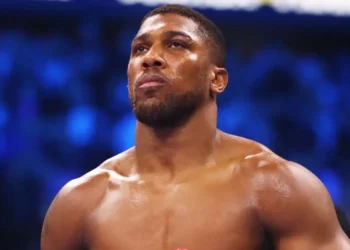
The campaign for a care home has also received backing from high-profile figures, including Anthony Joshua, who publicly supported the cause by wearing the charity’s logo during a fight against Jake Paul. Despite this visibility and support, funding remains a major obstacle.
The Ringside Charity Trust has proposed introducing a compulsory levy on professional fighters earning above a certain threshold, as well as small contributions from ticket sales. Even minimal amounts, such as £1 per ticket, could generate significant funds over time. However, the British Boxing Board of Control (BBBoC) has expressed reservations about making such contributions mandatory.
Robert Smith, the board’s general secretary, believes that prevention should take priority over post-care solutions. He points out that the organization already provides insurance coverage for fighters in cases of death or permanent injury. However, he also notes that many boxers choose not to enhance their insurance or plan for the future.
Smith emphasizes that boxers are self-employed and must take responsibility for their own financial and health planning. While the board offers guidance and support, it cannot impose mandatory contributions or guarantee long-term care for all former fighters. He candidly admits that providing comprehensive support for retired boxers would be financially unfeasible, especially given that their numbers exceed those of active fighters.
The human cost of this gap in support is evident in stories like that of Liam Cameron. After receiving a ban in 2018 for cocaine use, Cameron’s life spiraled out of control. He struggled with substance abuse, experienced severe personal setbacks, and even faced life-threatening situations. During this period, he felt completely abandoned by the sport.
Cameron recalls that no one checked on him or offered help during his darkest moments. His experience reflects a broader issue within boxing: once fighters fall from success, they often find themselves isolated and unsupported. Fortunately, Cameron has since rebuilt his life and returned to the ring. He now works as an ambassador for the Boxers in Need, helping others who face similar struggles.
Reflecting on the career of Ricky Hatton, Cameron points out a sobering reality. Despite achieving everything a boxer could dream of, Hatton still struggled with happiness. This realization has made Cameron question the true value of success in boxing if it does not lead to long-term well-being.
Ultimately, the stories of Spinks, Hatton, and others raise a critical question: what happens when the applause fades? Boxing is a sport built on passion, sacrifice, and resilience. Fighters dedicate their lives to it, often enduring immense physical and emotional strain. Yet, when their careers end, many are left to navigate the consequences alone.
Elmore recalls asking her cousin Terry Spinks whether he would choose the same path again, knowing how his life would end. His answer was simple yet profound—he would do it all over again because of his love for boxing. This sentiment captures the deep connection fighters have with the sport.
However, it also underscores the responsibility of boxing authorities and organizations to ensure that this love is met with adequate care and support. As discussions continue, the hope is that meaningful changes will be made to protect those who have given so much to the sport.
For more sports news and updates, visit: https://netsports247.com/