
Brooks Koepka’s Potential Return Poses a Major Dilemma for the PGA Tour
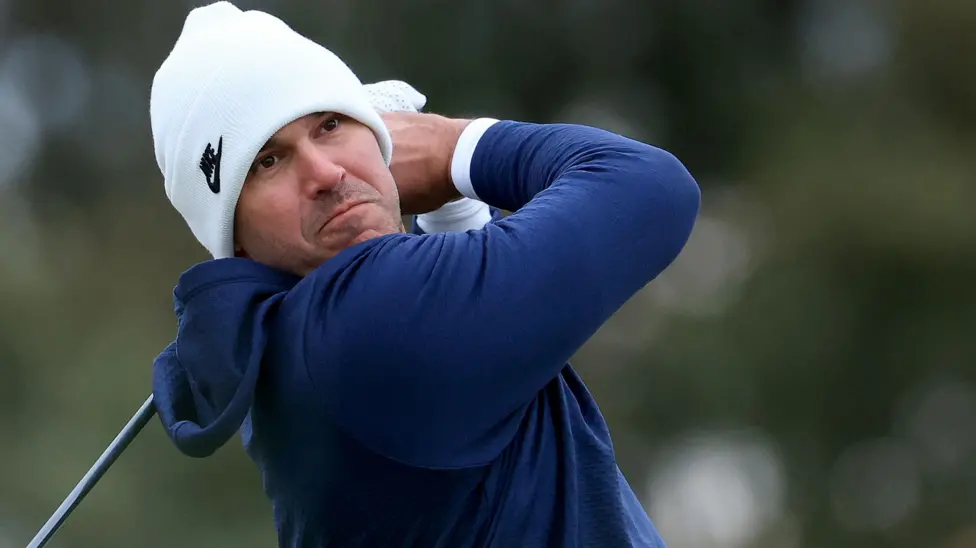
The PGA Tour now faces a significant challenge following Brooks Koepka’s recent application to rejoin its prestigious and highly lucrative circuit of tournaments. Just days after leaving the controversial LIV Golf League, the five-time major champion indicated his desire to return to the leading tour by submitting his membership application on 9 January.
Koepka, 35, opted to depart LIV a year earlier than planned, citing a desire to spend more time with his family. Despite his absence from the PGA Tour for the past four years, the Floridian remains eligible to compete in all four majors, thanks to his 2023 US PGA Championship victory. His readiness to rejoin the tour sets up a complex situation for the organizers, who must weigh both practical and ethical considerations in deciding how to proceed.
The Appeal of Koepka’s Return
From a commercial perspective, Koepka’s return would be an immense boost. Over the past decade, he has been one of the most successful major winners, with five championships to his name. This pedigree makes him a magnetic draw for sponsors, broadcasters, and spectators alike. His signing by LIV Golf in 2022, reportedly with a massive financial package, was a significant blow to the PGA Tour at the time. Consequently, welcoming him back could help the tour reclaim one of its brightest stars and simultaneously deliver a symbolic counterstrike against the rival league that sought to destabilize traditional professional golf.
In addition, readmitting Koepka could serve as an example to other players currently under LIV contracts, including Bryson DeChambeau and Jon Rahm, showing that there remains a clear pathway back to the established tour once their commitments to LIV conclude. The precedent could encourage more high-profile golfers to return to the PGA Tour in the coming years.
Support From Peers
Rory McIlroy, the Masters champion, recently expressed support for Koepka’s reinstatement. “Does it make sense if Brooks wanted to play the PGA Tour again to get him back as soon as possible? Absolutely,” he told the Palm Beach Post. “What Brooks has done in the game of golf, it would be good for everyone to have him back.” McIlroy also emphasized the need for fairness: “You can’t treat one person differently from how you treat others.”
The Ethical Dilemma
The PGA Tour, however, cannot ignore the broader implications of Koepka’s return. Allowing a superstar to re-enter the tour without any penalties would contradict the principles of meritocracy that have long been central to the sport’s legitimacy. Golf pundit Brandel Chamblee, a former tour player, articulated this concern, stating, “To allow Brooks to come back with no consequence would undermine the meritocratic foundations that are the one thing that makes the PGA Tour legitimate. Forgiveness without cost is not reconciliation; it’s erasure.”
Koepka’s high profile and outspoken criticism of LIV Golf have made him both a target and an influential voice within the sport. Any decision regarding his reinstatement is therefore laden with both practical and symbolic weight. Balancing the tour’s financial interests with its commitment to fair play and precedent presents a challenge for the board and player directors.
The Reinstatement and Disciplinary Process
Koepka is now entering a formal “reinstatement and disciplinary process,” though the PGA Tour has not publicly commented on the details of disciplinary measures. The tour has, however, indicated that the board, including player directors, will provide “thoughtful input” on his application. The outcome of this process will likely influence not only Koepka’s career trajectory but also the rules and culture surrounding player departures and returns in professional golf.
Broader Implications for the Tour
Koepka’s return is not simply a question of welcoming a top player back; it is also a strategic consideration. The PGA Tour seeks to maintain its reputation as the premier professional circuit while discouraging future defections to rival organizations. How it handles Koepka’s case could either reinforce the tour’s authority or create a perception of preferential treatment for elite players, potentially undermining the credibility of the reinstatement system.
Moreover, Koepka’s presence could impact television ratings, ticket sales, and sponsorship opportunities. His past victories in two US Opens and three US PGA Championships provide ample promotional value, ensuring that fans will be eager to see him compete. From a financial and visibility standpoint, reintroducing Koepka offers an immediate win for the PGA Tour, particularly as the league seeks to recover from the disruption caused by LIV Golf.
Historical Context
Koepka’s decision to leave the PGA Tour in 2022 shocked the golfing world. At the time, he joined LIV Golf, citing both financial incentives and a desire for a different competitive environment. His departure highlighted the growing tension between traditional tours and emerging leagues backed by substantial investments, notably from Saudi Arabia. The PGA Tour’s handling of his return could set a precedent for how similar cases are managed in the future.
A Balanced Approach
While the tour benefits from Koepka’s potential return, it also must preserve the principle that no player is above the rules. Striking a balance between pragmatism and fairness will be crucial. The board’s decision-making process, including consultations with player representatives, underscores the importance of ensuring the process is transparent and justifiable. The optics of reinstating Koepka without any form of consequence could create discontent among other players who remained loyal to the tour during its period of disruption.
Looking Ahead
If the PGA Tour successfully navigates Koepka’s return, it may open doors for other players considering leaving or returning from rival circuits. This move could reinforce the tour’s dominance in professional golf while providing fans and sponsors with high-caliber competition. Conversely, mishandling the process could lead to criticism and undermine the perception of the tour’s integrity.
Ultimately, Koepka’s reinstatement is about more than a single player—it is about the future direction of professional golf, the tour’s ability to manage player relations, and the broader struggle between established institutions and emerging competitors. As Koepka embarks on this process, all eyes will be on the PGA Tour to see how it balances the interests of fairness, financial gain, and competitive integrity.
For the full story and updates on Koepka’s PGA Tour return, visit netsports247.com.