
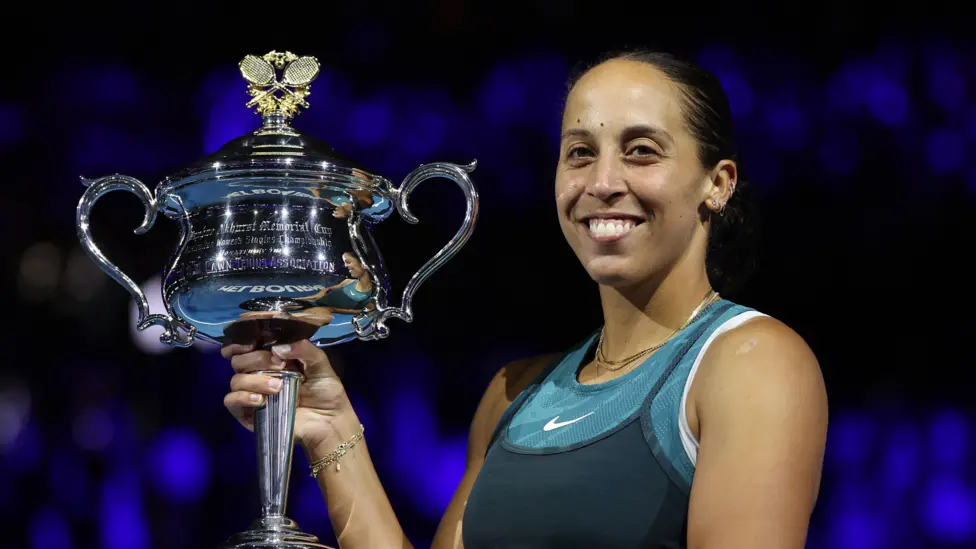
Top tennis players are once again pushing the Grand Slam tournaments to reconsider how they reward the athletes who form the backbone of the sport. At the centre of the discussion are reigning Australian Open champion Madison Keys and three-time Grand Slam finalist Alexander Zverev, two high-profile players who have spoken openly in Melbourne about the imbalance they feel exists between players and the sport’s biggest events.
Keys has struck a hopeful tone, describing herself as “cautiously optimistic” that meaningful change could be on the horizon. Zverev, however, has offered a more pessimistic view, suggesting that despite ongoing talks, there has been little tangible progress. Together, their comments highlight a debate that has been simmering in tennis for years: do the Grand Slams truly value players in line with the revenue, attention, and global appeal they generate?
Over the past year, a group of players ranked inside the top 20 have held several discussions with representatives from the four Grand Slams — the Australian Open, French Open, Wimbledon, and US Open. These meetings focused on increasing prize money, improving player welfare, and giving athletes a stronger voice in decisions that directly affect their careers. While the conversations themselves marked a step forward, many players feel the outcomes have fallen short of expectations.
Madison Keys believes the players’ stance is both reasonable and necessary. From her perspective, professional tennis players invest enormous amounts of time, energy, and personal sacrifice to compete at the highest level. Training schedules are relentless, travel demands are exhausting, and careers are often shaped by fine physical margins. For Keys, asking for a greater share of the sport’s financial success is not about greed but fairness.
“We obviously give a lot of ourselves to this sport,” Keys explained. “As we are the product, it makes sense for us to be partners.” Her argument reflects a growing belief among players that they should be treated less like hired performers and more like stakeholders. Without the players, there are no matches, no television audiences, and no commercial deals. Yet many feel their influence over how the sport is run remains limited.
Alexander Zverev’s comments underline this frustration even more strongly. While acknowledging the effort that players have made to engage in discussions, he expressed disappointment at the lack of visible results. According to Zverev, players often devote significant time to meetings and negotiations, only to see little change materialise afterward.
“We’re playing the matches. We’re playing the tours,” Zverev said. “When we try to get into the politics, we don’t really have that much of a voice in it.” His words reflect a common sentiment within the locker room: despite being central to the sport’s success, players often feel sidelined when it comes to decision-making.
Zverev also pointed to the emotional toll of this imbalance. The effort required to compete at the elite level is immense, and when players feel their concerns are not taken seriously, it can be deeply discouraging. “Most of the time it’s a lot of investment, time-wise, from our side, but not a lot of results,” he added. “That is sometimes a bit upsetting.”
At the heart of the debate is prize money distribution. While Grand Slam prize funds have increased steadily over the years, players argue that these rises have not kept pace with the explosive growth in broadcasting deals, sponsorships, and global viewership. The majors are among the most profitable events in sport, yet many players — particularly those outside the very top ranks — struggle to cover expenses such as coaching, physiotherapy, travel, and accommodation.
Player welfare is another major concern. Longer seasons, packed schedules, and late-night matches have raised questions about physical and mental health. Players are calling for better medical support, more recovery time, and clearer scheduling policies. For many, increased prize money is directly linked to welfare, as it allows athletes to build stronger support teams and extend their careers in a healthier way.
Some critics argue that top players are already well compensated and that demands for more money are excessive. However, supporters of the movement point out that elite athletes often subsidise the sport for lower-ranked players by drawing crowds and sponsorships that benefit tournaments as a whole. In that sense, the discussion is not just about individual earnings but about creating a more sustainable ecosystem.
Keys’ optimism suggests she believes the conversation itself is a sign of progress. The fact that Grand Slams are at least willing to sit down with players indicates a shift from the past, when decisions were often made unilaterally. Still, optimism remains cautious, as concrete changes have yet to be fully implemented.
Zverev’s scepticism, on the other hand, reflects a fear that talks may become symbolic rather than transformative. Without structural changes or formal representation, players worry that their influence will remain limited, regardless of how often discussions take place.
The situation highlights a broader issue in tennis governance. Unlike some other major sports, tennis lacks a single unified authority that represents players, tournaments, and governing bodies equally. This fragmented structure makes negotiations complex and progress slow. Players are increasingly questioning whether this model still works in a modern, globalised sport.
As the Australian Open continues, the debate is unlikely to fade. More players are expected to speak out, adding their voices to a conversation that goes beyond prize money and into the future direction of tennis itself. Whether the Grand Slams respond with meaningful reforms or incremental adjustments remains to be seen.
For now, the contrast between Keys’ hopeful outlook and Zverev’s frustration perfectly captures the current mood within the sport: a mix of belief that change is possible and concern that it may not come quickly enough. One thing is clear — players are no longer content to stay silent, and their demands for recognition, respect, and fair partnership are only growing louder.
For more in-depth tennis news, player insights, and Grand Slam updates, visit netsports247.com and stay connected with the latest developments from the world of sport.