
The Eroding Throne: Southgate Analyzes the Shifting Power Dynamics of the Modern Football “Head Coach”
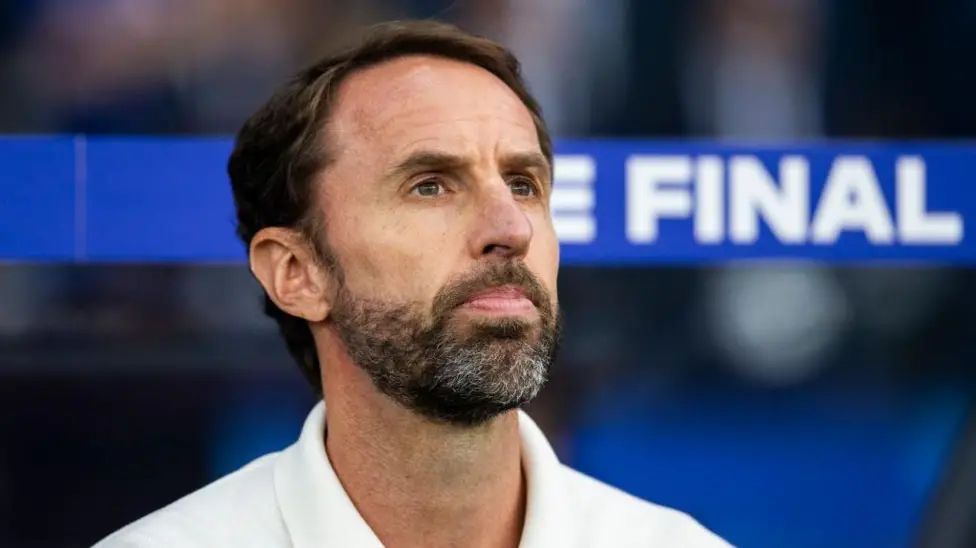
The traditional, all-powerful figure of the football manager is a relic of a bygone era, according to former England boss Sir Gareth Southgate. In a detailed analysis, Southgate argues that the authority of the person in the dugout is being steadily eroded by the structural evolution of modern clubs, even as the pressures of the job have multiplied exponentially.
From Manager to Head Coach: A Structural Power Shift
Southgate’s comments arrive amidst a period of notable upheaval at elite clubs, with Real Madrid, Manchester United, and Chelsea all parting ways with their head coaches in quick succession. He points out that while the circumstances differed—Xabi Alonso’s short-lived tenure at Madrid, Ruben Amorim’s public clash with United’s executives, and Enzo Maresca’s mutual consent exit from Chelsea—a common thread was “power struggles either with club executives, club employees or players.”
The root cause, Southgate asserts, is the widespread introduction of football, technical, or sporting directors. These executives now typically oversee long-term football strategy, manage global scouting and data operations, and report directly to club owners or CEOs, structurally placing them above the head coach. “The erosion of a manager’s authority has been a gradual process over many years,” Southgate wrote. “It has accelerated with this evolution.”
This shift is marked linguistically by the change in title from ‘manager’ to ‘head coach’. Amorim explicitly highlighted this tension before his dismissal, stating, “I came here to be the manager of Manchester United, not to be the coach.” For Southgate, this is not merely semantics but reflects a “subtle, sometimes unintentional, shift in power and status.”
Embracing Necessity: The Case for Specialized Structure
Interestingly, Southgate expresses no inherent opposition to this model. “Personally, I have no issue with this evolution,” he states. He argues that the scale and complexity of a modern football club necessitate such specialization. A head coach, focused on daily training, tactical preparation, and matchday management, “neither has the time nor, in many cases, the specialist expertise to manage complex player contracts, oversee global scouting networks, or run sophisticated data operations.”
He champions the benefits of a clear, strategic structure, noting that “strategy, culture, planning, and continuity are critical to success in any organisation – and a football club is no different.” A technical director can ensure a club’s philosophy and recruitment remain consistent beyond the tenure of any single coach, theoretically providing stability.
Increased Pressure in a Diminished Role
However, Southgate strongly refutes the idea that being a ‘head coach’ rather than a ‘manager’ means a reduced workload or lesser pressure. “The opposite is true,” he contends. The modern head coach must navigate “larger squads, bigger backroom teams, far greater analytical demands and ever-increasing media and commercial obligations.”
The human element of management has also grown more complex. Today’s players are often “individual brands” with substantial influence, requiring nuanced man-management alongside tactical instruction. Coupled with the astronomical financial stakes and the relentless, 24/7 scrutiny from both traditional and social media, the role is a “significant melting pot of problems and pressure.” The responsibility remains immense, even if the scope of control over broader club affairs has narrowed.
The Human Element: Managing People, Not Magnets
At the heart of Southgate’s thesis is a plea to recognize the core, unchanged essence of football leadership: managing people. He recalls telling his superiors at the Football Association, “players are not magnets on a tactics board that can simply be moved around. They are human beings. And managing that reality is at the heart of modern football leadership.”
This human-centric philosophy informed his own career choices. When offered the role of England ‘head coach’ in 2016, Southgate “insisted on changing the title to manager.” This was a deliberate move to secure the “authority, influence and control” he believed necessary to build a culture and lead the national team effectively, demonstrating that the title itself can be a battleground for perceived authority.
The Path Forward: A Modernized Manager
Southgate does not advocate for a return to a dictatorial past. Instead, he proposes a synthesis: “embrace a modernised version of the traditional manager.” This model would acknowledge the necessity of a supportive, specialized executive structure while still vesting the coaching leader with sufficient authority and status to truly lead.
The success of this model depends on crystal-clear delineation of responsibilities and, crucially, a harmonious working relationship between the head coach and the sporting director. They must be aligned partners, not rivals. When this relationship fractures—as seen recently at Manchester United and Chelsea—instability is almost guaranteed.
Conclusion: Leadership in a New Era
Gareth Southgate’s analysis provides a clear-eyed view of the modern football landscape. The archetype of the omnipotent manager like Sir Alex Ferguson is fading, replaced by a more corporate, departmentalized structure. While this brings needed expertise and potential long-term stability, it also creates new tensions and challenges for the figurehead in the technical area.
The future of elite coaching may lie in finding individuals who are not just brilliant tacticians but also adept diplomats, capable of exerting leadership within a defined corporate structure and mastering the complex human dynamics of a modern squad. The throne may be shared, but the pressure on its occupant has never been greater.
Sources & Further Reading:https://netsports247.com/