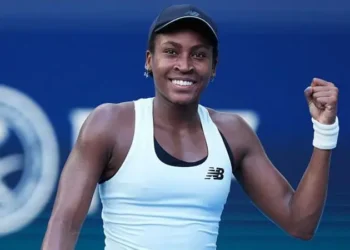

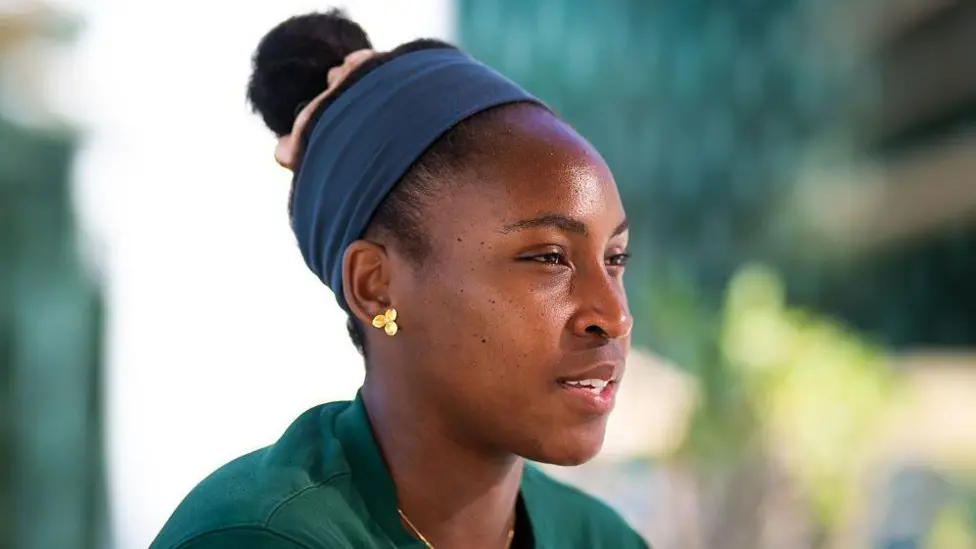
Coco Gauff has admitted it has been emotionally challenging to follow events unfolding in the United States from afar, saying it is “tough to wake up” and read headlines about turmoil back home. The two-time Grand Slam singles champion made clear that she intends to continue speaking openly about issues she cares about, even when those topics extend beyond tennis.
The 21-year-old, currently ranked world number five, is among several American athletes who have expressed concern over US President Donald Trump and his administration’s immigration crackdown. Protests have erupted across various American cities following the deaths of Renee Good and Alex Pretti in Minneapolis last month during an operation involving Immigration and Customs Enforcement (ICE) agents.
Gauff, who spends much of her year traveling internationally for tournaments, first learned about the incident while competing in Australia at the season’s opening Grand Slam. Being thousands of miles away did not lessen the emotional impact.
Speaking ahead of her participation at the Dubai tournament, Gauff said she struggles with the disconnect of representing her country abroad while watching distressing developments unfold at home. She emphasized that she deeply cares about the United States and takes pride in being American, rejecting any suggestion that her willingness to criticize policies means she lacks patriotism.
“I don’t think people should be dying in the streets just for existing,” she said, articulating a broader plea for humanity and empathy. Gauff stressed that athletes wearing national colors do not automatically endorse every decision made by political leaders. In her view, one can love their country while also advocating for change.
Earlier in the year, during the Australian Open, Gauff called for “more peace and kindness” within American society. Her comments reflected a consistent message centered on unity, diversity, and equality.
She is not alone in voicing such sentiments. Fellow American tennis star Madison Keys has also spoken publicly about immigration and diversity. Keys praised the contributions immigrants have made to American culture and society, expressing hope that the country can find common ground during a period of intense division.
The debate has extended well beyond tennis courts. Gus Kenworthy, a member of Team GB who grew up in the United States, revealed he received death threats after sharing an anti-ICE message on social media. His experience highlights the polarized environment many public figures navigate when engaging in political discourse.
At the Winter Olympics, American freestyle skier Hunter Hess echoed similar sentiments, stating that wearing the US flag does not mean he represents every policy enacted by the government. President Trump responded by calling Hess a “real loser,” further intensifying the public exchange.
Other winter sports athletes have also weighed in. Bea Kim described the United States as “very divided” but emphasized that diversity remains one of its greatest strengths. Snowboarder Maddie Mastro admitted she feels saddened by events unfolding at home and believes it is important not to ignore them.
Meanwhile, Olympic medalist Chloe Kim has argued that athletes should be free to express their views. She advocates leading with love and compassion, suggesting that empathy can bridge divides.
For Gauff, speaking out is not a new or impulsive decision. She credits much of her confidence in addressing political topics to her family background—particularly her maternal grandmother, Yvonne Lee Odom. Odom played a historic role in desegregating public schools in the 1960s, becoming the first Black student to attend a previously segregated public school in Delray Beach, Florida.
Growing up with such a legacy has shaped Gauff’s worldview. She describes activism not as a temporary stance but as something woven into her personal history. Her grandmother’s courage during the civil rights movement instilled in her a sense of responsibility to stand up for what she believes is right.
Gauff’s position reflects a broader evolution in sports culture. Athletes increasingly view their platforms as vehicles for social commentary, challenging the notion that sports and politics must remain separate. While critics argue that athletes should “stick to sports,” many competitors see civic engagement as part of their identity.
The balance between professional obligations and personal convictions can be delicate. Gauff competes on the global stage, where she represents her country in high-profile tournaments. At the same time, she insists that national pride does not preclude honest reflection or critique.
Her comments from Dubai suggest a nuanced perspective: loving one’s country while striving to make it better. She emphasizes that many Americans share her commitment to diversity and equality, and she hopes those voices can help steer the national conversation toward greater understanding.
The reactions to athletes speaking out have ranged from admiration to hostility. Social media amplifies both support and criticism, creating an environment where statements can spark intense debate within minutes. Yet Gauff appears undeterred.
“I’m OK answering tough questions,” she said, underscoring her readiness to engage thoughtfully with complex issues. Her composure in addressing sensitive topics reflects maturity beyond her years, especially considering she is still in the early stages of what promises to be a long tennis career.
As she prepares to compete in Dubai, Gauff remains focused on her performance on court while acknowledging the realities unfolding off it. She believes athletes can both pursue excellence in their sport and advocate for compassion, fairness, and inclusivity.
The intersection of sports and social issues continues to generate headlines, but Gauff’s message centers on empathy. Whether discussing immigration policy or broader societal tensions, her underlying theme is simple: kindness and equality should guide collective action.
In a world where public figures often face pressure to remain silent, Gauff’s willingness to speak underscores a generational shift in athlete activism. Her voice joins a growing chorus calling for unity in a divided landscape.
For more global sports news, athlete interviews, and in-depth coverage, visit:
👉 https://netsports247.com