
France Win Six Nations Title After Dramatic Final Round
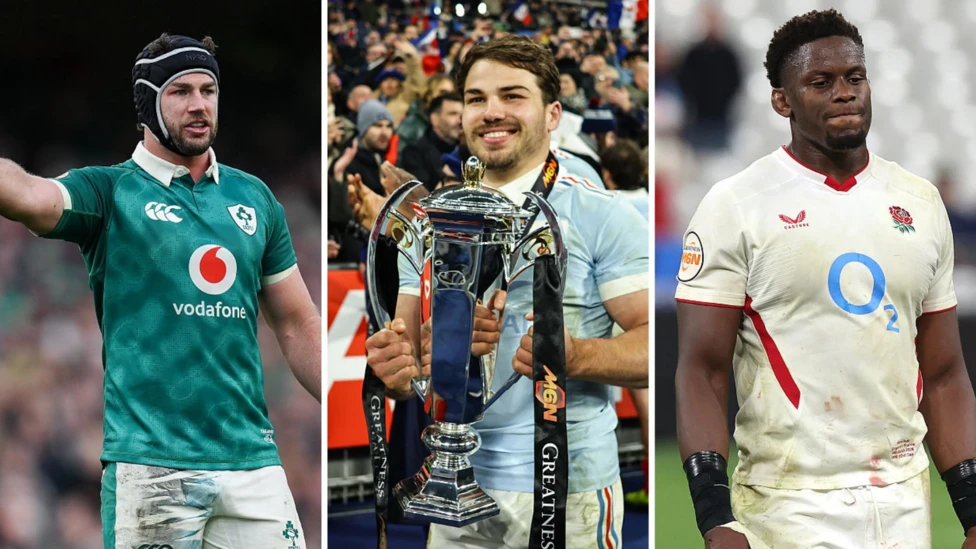
France national rugby union team secured the Six Nations Championship title following a dramatic and high-scoring victory over England national rugby union team in Paris.
The final round of the tournament delivered plenty of excitement and storylines across Europe. Alongside France’s triumph, Ireland national rugby union team dashed Scotland’s hopes of a championship win with a strong performance in Dublin, while Wales national rugby union team finally ended a frustrating three-year losing streak in the competition with victory over Italy national rugby union team in Cardiff.
The final weekend offered drama, attacking brilliance, and plenty of talking points as the 2026 tournament came to a thrilling conclusion.
France Crowned Champions After Stunning Campaign
France’s title success came after an extraordinary campaign marked by attacking flair and impressive consistency. Their victory over England in Paris capped off a tournament in which they consistently showcased their ability to play fast, exciting rugby.
Former England fly-half Paul Grayson praised France’s achievements during the tournament.
He described the French team’s journey through the competition as remarkable and highlighted the strength of domestic rugby in France. The popularity of rugby in the country and the quality of the Top 14 league have contributed to a powerful national side capable of competing at the highest level.
A major factor behind France’s success was the sensational performance of winger Louis Bielle-Biarrey.
The young star produced a remarkable run of form throughout the championship. In the latest match he added another try to his tally, bringing his total to nine tries in the tournament and an impressive 18 tries in 14 Six Nations appearances.
Former Wales captain Sam Warburton described Bielle-Biarrey as one of the most dangerous attacking players in modern rugby.
According to Warburton, France’s tactical approach often involves kicking the ball into open space, allowing Bielle-Biarrey to use his exceptional speed to chase and finish scoring opportunities.
His pace combined with intelligent kicking from teammates such as Thomas Ramos and Antoine Dupont has turned the winger into one of France’s most powerful attacking weapons.
Ireland Secure Triple Crown
Although France lifted the championship trophy, Ireland finished the tournament strongly and secured the prestigious Triple Crown.
Ireland defeated Scotland 43-21 in a lively match at Aviva Stadium, claiming their fourth Triple Crown in five years.
The result highlighted Ireland’s ability to rebuild and adapt despite injury setbacks earlier in the competition.
Former Ireland international Tommy Bowe explained that Ireland began the tournament missing several key players.
Important backs including Mack Hansen, James Lowe and Hugo Keenan were unavailable, forcing the coaching staff to rely on new faces.
However, emerging players stepped up impressively.
Jamie Osborne, Robert Baloucoune and Tommy O’Brien all made strong contributions.
Meanwhile, experienced centre Stuart McCloskey delivered outstanding performances that kept him ahead of established star Bundee Aki in the team selection.
The depth of talent available gives Ireland coach Andy Farrell plenty of optimism heading into the future.
While there are still concerns about certain aspects of the team’s play, such as scrummaging, the squad appears well positioned as they look ahead to the next Rugby World Cup cycle.
Scotland Show Promise Despite Ending on Defeat
For Scotland national rugby union team, the championship ended in disappointment following the loss to Ireland.
However, the overall campaign still contained several positive moments.
Scotland’s tournament began poorly with a defeat against Italy, but they recovered strongly with impressive victories over Wales, England and France.
Their remarkable 50-40 win against eventual champions France was one of the most memorable matches of the tournament.
Former Scotland captain Andy Nicol said the campaign should still be viewed as encouraging despite the final defeat.
He explained that the team appeared exhausted by the end of the tournament, particularly as Ireland had slightly more time to prepare for the final match.
Nicol suggested Scotland must focus on developing greater squad depth in order to compete consistently throughout demanding tournaments.
Even so, the performances during the middle stages of the championship demonstrated that Scotland are capable of competing with the strongest teams in international rugby.
Wales Finally End Long Losing Run
One of the biggest stories of the final round came in Cardiff, where Wales ended a miserable three-year wait for a Six Nations victory.
Wales defeated Italy 31-17 in front of a passionate home crowd.
The Welsh side dominated the first half and built a commanding 21-0 lead before halftime.
Italy responded strongly after the break and scored three tries in the second half, but Wales maintained control to secure the victory.
The win provided a much-needed boost for Welsh rugby after a difficult run of results.
Following defeats against England and three other teams earlier in the tournament, there had been concerns about Wales’ physicality and competitiveness.
Warburton noted that those concerns appear to have been addressed during the later rounds of the championship.
He also highlighted the positive atmosphere inside Cardiff’s stadium, with crowds growing larger and supporters beginning to regain confidence in the team.
A Tournament Full of Exciting Rugby
The 2026 Six Nations produced some of the most entertaining rugby seen in recent years.
Across the tournament, teams combined to score 111 tries – the highest total recorded since Italy joined the competition.
France alone contributed 30 tries, matching their attacking output from the previous year.
Former England World Cup winner Matt Dawson said the competition demonstrated how international rugby continues to evolve toward more attacking styles.
He suggested modern matches increasingly resemble high-scoring contests where teams trade tries rather than relying purely on defensive strategies.
However, Paul Grayson emphasized that the tournament still featured the traditional elements that define rugby.
Physical collisions, competitive scrums and tactical battles remained crucial aspects of many matches.
One example was England forward Ellis Genge receiving a sin-bin during a key moment of the match in Paris.
Another highlight was Ollie Chessum scoring a spectacular try after a powerful run from midfield.
According to analysts, the combination of attacking flair and physical intensity made this year’s championship particularly entertaining.
The unpredictable nature of the tournament also remains one of its greatest attractions, with every team capable of producing surprises.
For more rugby news and global sports coverage, visit:
https://netsports247.com