
Sri Lanka Appeals to Pakistan Over T20 World Cup India Fixture
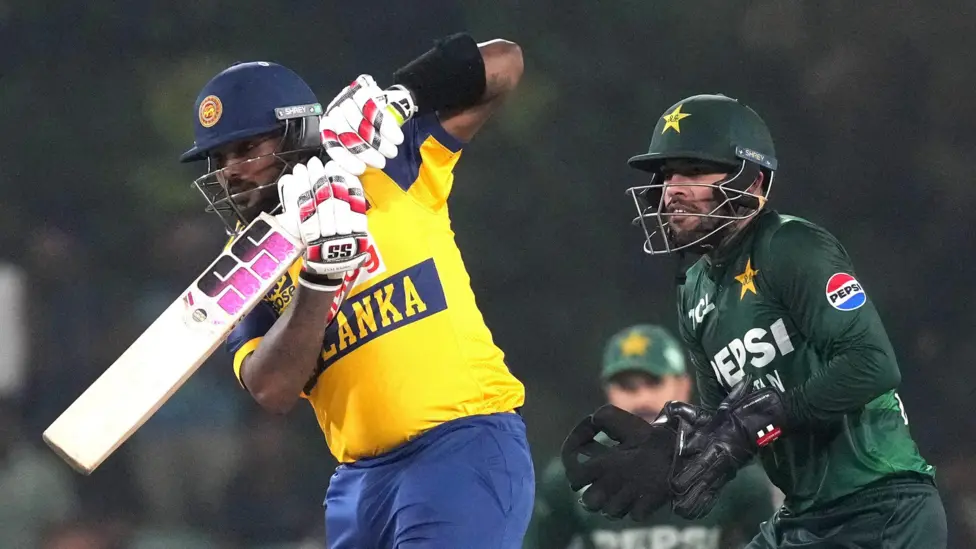
Sri Lanka has formally approached the Pakistan Cricket Board (PCB) requesting a reconsideration of Pakistan’s decision not to play India in the upcoming T20 World Cup group stage. The match, scheduled for 15 February in Colombo, is regarded as one of the most high-profile and commercially significant fixtures in the cricketing calendar.
The PCB, however, had previously confirmed that Pakistan would not participate in the game against India, citing government directives. The refusal stems from a political stance taken by the Pakistan government in solidarity with Bangladesh, whose request to have their T20 World Cup matches shifted away from India was rejected by the International Cricket Council (ICC).
Prime Minister Shehbaz Sharif addressed the issue on Thursday, stating that Pakistan’s decision was intended as a demonstration of support for Bangladesh. The South Asian nation had raised concerns about potential safety risks linked to hosting matches in India due to ongoing political tensions. However, the ICC declined Bangladesh’s request, citing an absence of credible security threats for their fixtures. Subsequently, Bangladesh’s group-stage matches were replaced by Scotland in the tournament schedule.
Background: India-Pakistan Neutral Venue Policy
The India-Pakistan cricket rivalry has historically been affected by political sensitivities. Last year, India refused to travel to Pakistan to play in the Champions Trophy, prompting the relocation of matches to the United Arab Emirates (UAE). Following this incident, both boards agreed that all future India-Pakistan encounters at ICC tournaments would be held at neutral venues whenever one country is hosting.
This agreement gave Sri Lanka the rights to host the upcoming fixture in Colombo. Preparations were made well in advance to accommodate the high demand for tickets, given that matches between India and Pakistan are widely considered the pinnacle of cricket viewership. Ticket sales reportedly surpassed expectations, with demand far exceeding availability.
Sri Lanka’s Formal Request
In a letter to the PCB, signed by Sri Lankan Cricket Board President Shammi Silva, the board highlighted the extensive planning undertaken to host the match. Silva emphasized the logistical arrangements already in place, including stadium readiness, security protocols, and coordination with ICC officials.
The letter also pointed out the historical cricketing relationship between Sri Lanka and Pakistan, suggesting that honoring the fixture would reflect positively on both boards and strengthen ties between the two cricketing nations. It urged Pakistan to reconsider their stance and find a mutually acceptable resolution with the ICC and Sri Lankan authorities.
Despite the appeal, no formal agreement has yet been reached. The ICC has reportedly asked the PCB to engage in discussions aimed at resolving the matter amicably, but as of now, the situation remains unresolved.
Political and Cricketing Implications
The potential cancellation of the India-Pakistan match in Colombo has far-reaching consequences. From a commercial perspective, matches between India and Pakistan generate significant revenue through broadcasting rights, sponsorships, and ticket sales. Sponsors and stakeholders view such games as marquee events that contribute substantially to the ICC’s revenue.
From a sporting perspective, the absence of the fixture could impact the tournament’s integrity. India and Pakistan have a long-standing cricket rivalry that attracts global attention. Skipping the game would not only disappoint fans worldwide but could also affect the competitive balance of Group A. Pakistan is scheduled to begin the tournament with a match against the Netherlands in Colombo on Saturday at 05:30 GMT, but the absence of the India fixture raises questions about scheduling and group dynamics.
ICC’s Role
The ICC has maintained a neutral stance, emphasizing that it encourages boards to resolve matters collaboratively. Officials have reiterated the importance of hosting high-profile fixtures in a safe and secure environment. They are closely monitoring the situation and are in regular contact with both the PCB and Sri Lankan authorities.
ICC sources reportedly emphasized that while security is always a priority, decisions to withdraw from matches for political reasons could set a challenging precedent for future tournaments. The governing body continues to stress that cricket should ideally remain separate from political disputes, although the reality of South Asian geopolitics often complicates such ideals.
Looking Ahead
With the tournament just weeks away, time is running out for Pakistan to change its stance. Sri Lanka has made clear that they are prepared to host the game safely, and the board’s letter underscores that significant resources and efforts have already been invested.
Fans, sponsors, and cricketing officials alike are now waiting to see whether Pakistan will reconsider, allowing the highly anticipated India-Pakistan clash to go ahead in Colombo as planned. Resolving the matter would not only preserve the fixture but would also ensure that Sri Lanka’s preparations and investments are justified.
If Pakistan maintains its refusal, alternative arrangements would need to be considered, possibly affecting ticket holders, broadcasters, and teams involved. Given the intensity of the rivalry, any decision will have a profound impact on both cricketing and political narratives in the region.
\