
Cricket in Crisis: Bangladesh Players Boycott Over Board Official’s Comments, World Cup Participation in Doubt
A Stunning Boycott Grips Bangladesh Cricket
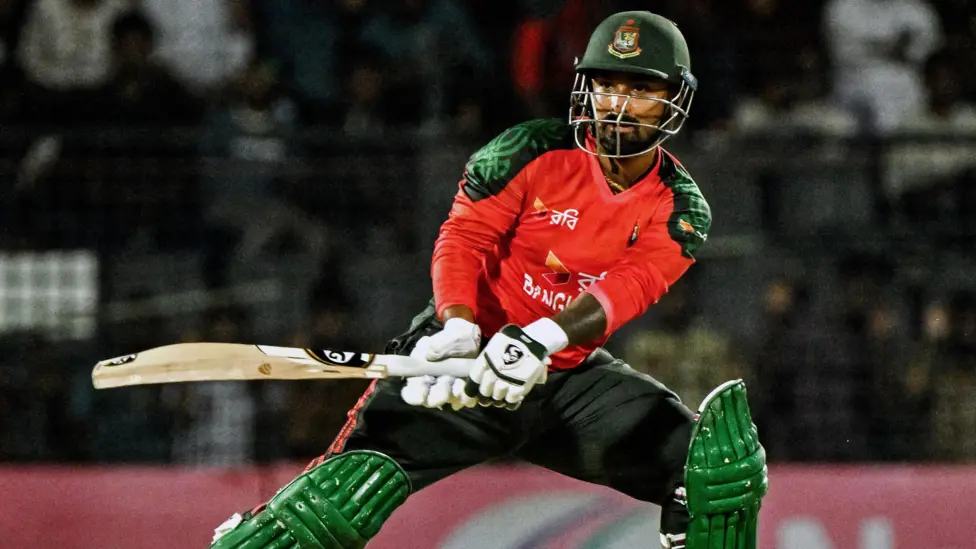
Bangladesh cricket has been plunged into a profound crisis as national cricketers have initiated a boycott of all cricketing activities. This drastic action is a direct response to inflammatory remarks made by a senior official of the Bangladesh Cricket Board (BCB), comments which have since led to his removal from a key position. The immediate fallout has seen the postponement of both scheduled Bangladesh Premier League (BPL) matches on Thursday, throwing the domestic T20 tournament into disarray. More alarmingly, this unified stand by the players casts a significant shadow over the national team’s participation in the upcoming ICC T20 World Cup in February, creating a perfect storm of sporting, financial, and political tensions.
The Incendiary Comments That Sparked the Fire
The controversy centers on M Nazmul Islam, a director of the BCB who was serving as the chairman of its influential finance committee. His comments emerged during a period of heightened political tensions between Bangladesh and India, the scheduled host nation for the T20 World Cup. Mirroring a precedent set by Pakistan, the BCB has formally requested that all of Bangladesh’s World Cup matches be relocated to a neutral venue to ensure their participation.
When questioned about the potential financial ramifications if Bangladesh were compelled to withdraw from the tournament, Islam launched a startling verbal attack on the players. He dismissed concerns about compensating them and instead suggested players should reimburse the board for its investment. “Why [would there be financial implications]? Are we asking them for the crores and crores of taka that we are spending on them?” Islam stated. He further questioned the team’s achievements, saying, “We are spending so much money on them, they are not being able to do anything in different places. Have we got any international awards? What have we done at any level?” His tirade culminated with the provocative suggestion: “Let us now ask them for the money back after every time they couldn’t play. Give us back.”
These remarks, which valued the nation’s cricketers purely as financial liabilities rather than sporting assets, sent shockwaves through the cricket community. With one Bangladeshi crore equating to just over £60,000 (approximately $76,000 USD), the perceived reduction of players’ careers and efforts to a monetary transaction was deemed deeply disrespectful.
Players Unite: An Ultimatum and Immediate Action
The response from the players’ body was swift and unequivocal. Mohammad Mithun, president of the Cricketers Welfare Association of Bangladesh (CWAB), condemned the comments as unacceptable and deeply hurtful to the entire cricket fraternity. Issuing a clear ultimatum, Mithun declared, “We demand his resignation. If he doesn’t resign before tomorrow’s match, we will announce a boycott of all cricket, starting from the BPL matches tomorrow.”
When Nazmul Islam did not step down by the deadline, the players followed through on their threat. In an unprecedented show of solidarity, neither team arrived at the venue for Thursday’s BPL clash between the Chattogram Royals and Noakhali Express. Subsequently, the BCB was forced to officially postpone that fixture along with the evening match between Rajshahi Warriors and Sylhet Titans, bringing the country’s premier domestic cricket competition to an abrupt halt.
BCB’s Damage Control: A Partial Measure Fails to Appease
Faced with this full-scale rebellion, the BCB moved swiftly to contain the damage. It announced the removal of Nazmul Islam from his role as finance committee chairman “with immediate effect,” citing a review of recent developments and the best interests of the organization. In its statement, the board sought to reassure players, reiterating that “the interests of the cricketers remain its highest priority” and affirming its commitment to “upholding the honour and dignity of all players.”
However, this disciplinary action fell short of the players’ central demand: Islam’s resignation from the BCB board of directors entirely. The board’s simultaneous call for players to “display the highest standards of professionalism” and for the BPL to continue as planned was ignored, highlighting the significant gap that remains between the administration and its athletes. The players’ boycott of “all forms of cricket” suggests the protest extends beyond the BPL to encompass national team duties, raising the stakes exponentially.
High Stakes: A World Cup and a Domestic League in Peril
The timing of this crisis could not be more critical, placing two major tournaments in immediate jeopardy.
- T20 World Cup Participation in Doubt: Bangladesh is scheduled to begin its T20 World Cup campaign against the West Indies in Kolkata on February 7, followed by a marquee match against England at Eden Gardens on February 14. The current boycott directly threatens this participation. If the standoff is not resolved swiftly, Bangladesh could face the humiliation of withdrawing from a global event or fielding a severely weakened team, undermining years of preparation and damaging the sport’s reputation in the cricket-passionate nation.
- BPL Thrown into Chaos: The Bangladesh Premier League is now in complete limbo. With six crucial group stage matches and an entire four-match knockout stage—including the final scheduled for January 23 in Dhaka—left to play, the postponements represent a massive financial and logistical nightmare. Franchises, broadcasters, sponsors, and fans are left in a state of uncertainty, with potential losses mounting daily.
A Deeper Conflict: Beyond a Single Comment
While Nazmul Islam’s comments were the catalyst, this boycott points to deeper, systemic issues within Bangladesh cricket. It reflects a growing frustration among players over a perceived lack of respect from certain quarters of the board’s administration. The incident has ignited a debate about the value of athletes, who are not only beneficiaries of investment but also the primary generators of revenue and national pride. The players’ collective action signals a new willingness to challenge demeaning rhetoric and demand to be treated as partners in the sport’s development, not merely as employees.
The Road to Resolution
The path forward for Bangladesh cricket is fraught with complexity. Resolution likely hinges on high-level negotiations between the CWAB and the BCB’s top leadership. Key steps to end the impasse may include:
- A formal and unequivocal public apology from the BCB for the derogatory comments.
- Clarification of Nazmul Islam’s future role within the board’s hierarchy.
- Concrete assurances and mechanisms for respectful dialogue between players and administrators.
- Transparent communication regarding the plans for both the BPL and the T20 World Cup.
The sporting world now watches closely to see if Bangladesh can bridge this damaging divide. The coming days will determine whether the nation’s cricketers take the field for the World Cup or if a battle over dignity and respect results in their unfortunate absence from the global stage.
Sources & Further Reading:netsports247.com