
A Penalty That Changed Everything: Brahim Diaz’s AFCON Final Heartbreak
Football can turn heroes into tragic figures in a single moment, and for Brahim Diaz, the Africa Cup of Nations final against Senegal delivered one such cruel twist of fate. What should have been the crowning moment of a brilliant tournament instead became an episode that will linger painfully in the memory of the Moroccan winger for years.
With the AFCON final locked at 0-0 deep into stoppage time of the second half, Morocco were handed the chance every footballer dreams of. Diaz, the man who had carried his country to the final with five goals, won a penalty in the eighth minute of added time. The pressure was immense, but so was the opportunity. A successful spot-kick would have ended Morocco’s half-century wait for continental glory and immortalised Diaz as a national icon.
Instead, the moment unravelled in devastating fashion.
Diaz opted for a Panenka penalty, delicately chipping the ball down the middle. It was a bold choice, one that can elevate a player into folklore when executed correctly. But Senegal goalkeeper Edouard Mendy refused to dive. Standing tall, he calmly caught the ball, turning what was meant to be a moment of triumph into one of embarrassment and disbelief.
The stadium fell silent. Moroccan dreams shattered instantly.
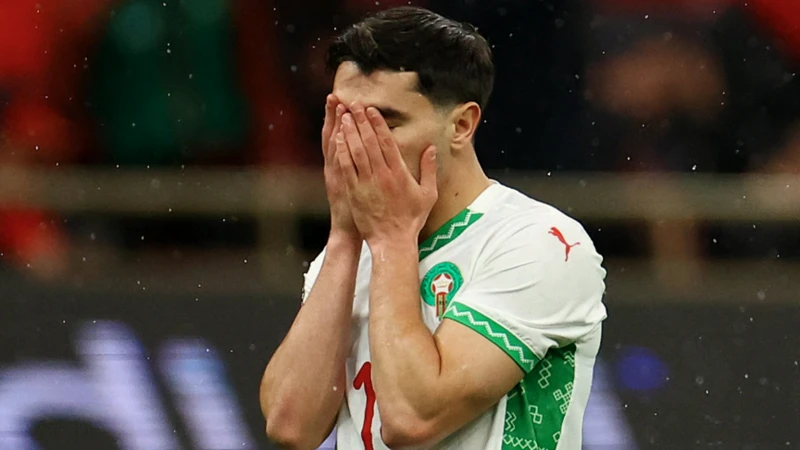
The former Manchester City academy product looked broken as reality dawned. Cameras later captured Diaz sitting on the bench during extra time, eyes glistening, visibly fighting back tears. The Real Madrid forward, who had been the tournament’s top scorer and Morocco’s talisman, was suddenly the symbol of their heartbreak.
The circumstances surrounding the penalty only added to the drama. After the decision was awarded, Senegal’s players stormed off the pitch in protest, including goalkeeper Mendy. Diaz was left waiting for nearly 17 minutes before he could take the kick. According to Morocco head coach Walid Regragui, that delay may have played a role in disrupting his player’s focus.
“He had a long time to think about it,” Regragui said after the match. “That kind of wait can affect any player. But what’s done is done. Brahim made his decision, and now we must move forward.”
Unfortunately for Morocco, there would be no chance to recover.
That missed penalty marked the final action of normal time. Just four minutes into extra time, Senegal struck decisively. Midfielder Pape Gueye unleashed a powerful finish that beat the Moroccan goalkeeper, sealing a 1-0 victory and handing Senegal the AFCON trophy.
As Senegal celebrated, Morocco’s players collapsed to the turf. Diaz, substituted later in extra time, watched helplessly as the title slipped away.
Former players and pundits were quick to acknowledge the emotional toll the moment would take. Ex-Morocco international Hassan Kachloul spoke candidly on Channel 4, saying, “This is the kind of moment that stays with you forever. Brahim Diaz will have nightmares about this.”
Former Nigeria striker Daniel Amokachi echoed that sentiment, pointing out the cruel irony of Diaz’s tournament. “He scored five goals, carried his team, and then this happens. Football can be very unforgiving.”
Jon Obi Mikel went even further, suggesting the miss overshadowed an otherwise outstanding AFCON campaign. “That penalty spoils everything he did well. He will be devastated. This kind of moment doesn’t leave you easily. It can stay for weeks, months, even longer.”
Another former Nigeria international, Efan Ekoku, summed it up bluntly: “This is something Brahim Diaz will never fully get over.”
Despite the harsh criticism, many also defended Diaz’s courage. Taking responsibility in such a high-pressure moment is not something every player is willing to do. Panenka penalties, when successful, are celebrated as acts of confidence and composure. When they fail, they invite ridicule.
Football history is full of similar moments. From Roberto Baggio’s miss in the 1994 World Cup final to John Terry’s slip in the 2008 Champions League final, even the greatest players are defined as much by heartbreak as by glory. Diaz has now joined that painful list.
At just 25 years old, Diaz still has time on his side. He remains a key figure for both Real Madrid and the Moroccan national team. But moments like this have a psychological weight that statistics cannot measure. Recovering mentally will be as important as maintaining form on the pitch.
For Morocco, the loss was equally devastating. Hosting the tournament and reaching the final raised expectations of a historic triumph. Instead, they were left with pride in their journey but sorrow at how close they came.
As fans debate whether Diaz should have chosen a safer option, one truth remains undeniable: football offers no guarantees. Glory and despair often sit side by side, separated by the smallest of margins.
For Brahim Diaz, the road ahead will require resilience, maturity, and support. Whether this moment breaks him or shapes him into a stronger player will define the next chapter of his career.
For now, though, the image of that softly chipped penalty resting harmlessly in Edouard Mendy’s hands will remain etched into AFCON history.
For more in-depth football coverage, analysis, and breaking sports news, visit https://netsports247.com.