
Before social media algorithms dictated what went viral, football fans experienced moments of magic in a very different way. One of the most iconic platforms for showcasing skill and creativity was Soccer AM, a Saturday morning show that captivated audiences with its short segments packed with tricks, flicks, and unforgettable flair. These clips, often set to early 2000s music, became a weekly ritual for fans eager to witness football artistry at its finest.
Among the standout figures featured in those segments was the legendary Ronaldinho, whose dazzling skills and joyful style of play made him a global icon. Alongside him, players like Jay-Jay Okocha brought creativity and unpredictability to the pitch, inspiring fans of all ages to imitate their moves in playgrounds and local fields.
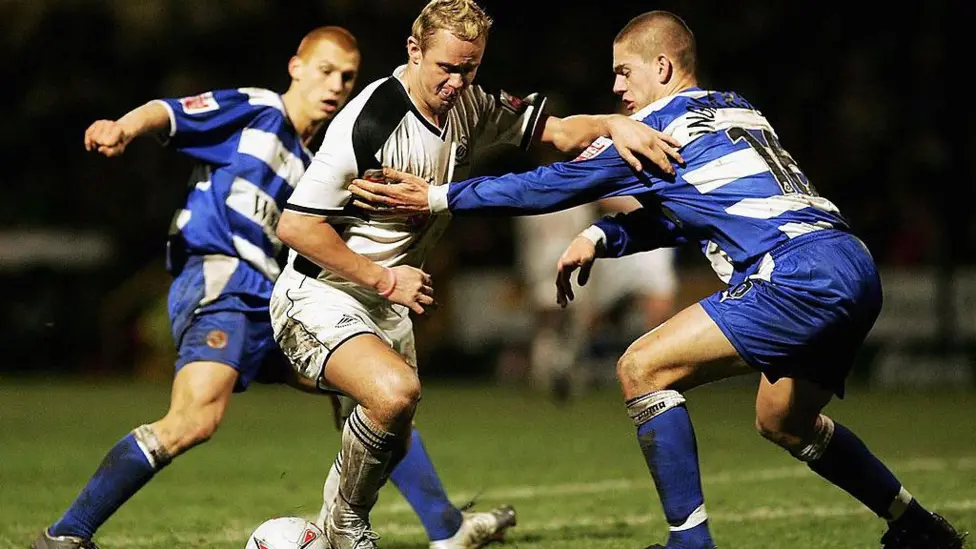
However, one name stood out in English football for his flair and creativity—Lee Trundle. Known for his outrageous goals and fearless approach, Trundle earned the nickname “Showboat King” thanks to his regular appearances on Soccer AM. Even at 49, he continues to play, demonstrating his enduring love for expressive football.
Trundle reflects on his playing style as one rooted in freedom and experimentation. For him, football was always about self-expression—trying new tricks, entertaining fans, and enjoying the game. Soccer AM played a major role in amplifying his reputation, introducing his talents to a wider audience and placing him alongside some of the world’s most exciting players.
The appeal of showboating in football is timeless. From legends like Garrincha and Pele to entertainers such as Paul Gascoigne and Diego Maradona, fans have always been drawn to players who bring flair and individuality to the game. These players don’t just play football—they perform it, creating moments that live long in memory.
For Trundle, the joy of watching football lies in witnessing the extraordinary—things that most players cannot do. Whether it’s flicking the ball over an opponent’s head or threading it through their legs, these moments of brilliance are what captivate audiences. Growing up, he idolized Gascoigne and admired the Brazilian greats, including Romario and Ronaldo Nazario. Yet, in terms of pure trickery, he considers Ronaldinho unmatched.
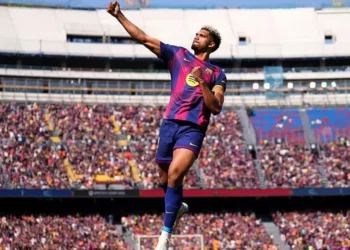
At his peak, Ronaldinho was almost unstoppable. His ability to combine speed, intelligence, and creativity made him a nightmare for defenders. Playing for FC Barcelona, he mesmerized crowds with his signature moves, including the famous elastico. His influence extended beyond his own success—he helped pave the way for future stars like Lionel Messi, who would go on to dominate the sport in his own way.
For Brazil, Ronaldinho’s legacy was followed by Neymar Jr, another player known for his flair and creativity. Despite recent criticism, Neymar’s ability to perform dazzling tricks on the biggest stages has earned him admiration from peers like Yannick Bolasie, who described him as a true “street football” artist at the elite level.
Interestingly, not all technically gifted players qualify as showboaters. Legends such as Zinedine Zidane, Thierry Henry, and Messi possess extraordinary skill, but their greatness lies in their all-around effectiveness rather than flamboyant trickery. A true showboater is defined by their ability to create memorable moments of flair that leave fans in awe.
English football has also produced its share of entertainers. Joe Cole, for example, dazzled fans at West Ham United with his quick feet and fearless dribbling. His performances earned praise from Pelé himself, who recognized his talent and creativity.
Meanwhile, Jay-Jay Okocha became a cult hero at Bolton Wanderers, where his flair and skill made him one of the most entertaining players in the league. Okocha’s ability to score spectacular goals and execute jaw-dropping tricks cemented his legacy as a fan favorite.
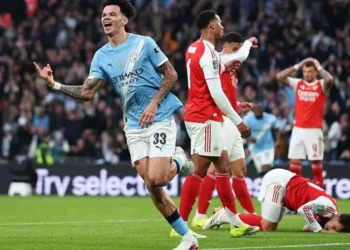
However, showboating can be controversial. While some view it as an art form, others see it as unnecessary or even disrespectful. Players who attempt tricks in the wrong context risk criticism—or worse, retaliation from opponents. Rayan Cherki recently experienced this when his skill moves in a high-profile match drew strong reactions.
Trundle believes that tricks should serve a purpose, such as creating space or setting up a goal. He criticizes moves that lack end product, pointing out that some players perform skills purely for show rather than effectiveness. For instance, Antony has been known for flashy spins that do little to advance play.
One of the most famous examples of excessive showboating came from Mario Balotelli, who attempted a backheel finish during a clear scoring opportunity. His manager at the time, Roberto Mancini, immediately substituted him, highlighting the fine line between creativity and irresponsibility.
Balotelli’s personality and flair made him one of football’s most entertaining figures. From scoring stunning goals to his off-field antics, he embodied the unpredictable nature of a true showman. Similarly, Cristiano Ronaldo began his career with an abundance of tricks, though he later refined his style under the guidance of Alex Ferguson.
Another Portuguese talent, Ricardo Quaresma, became known for his unique style, including the famous “trivela” shot. Though inconsistent, his moments of brilliance made him a standout showboater.
In the realm of cult heroes, players like Adel Taarabt and Hatem Ben Arfa captured the imagination of fans. Taarabt’s performances for Queens Park Rangers were both mesmerizing and frustrating, earning him praise as one of the most talented players his manager Neil Warnock had ever coached.
Ben Arfa, meanwhile, produced moments of sheer brilliance, including a famous solo goal for Newcastle United that remains etched in Premier League history. These players may not have achieved consistent success, but their flair ensured they would never be forgotten.
Ultimately, showboaters represent a unique aspect of football culture. They bring excitement, unpredictability, and artistry to the game, reminding fans why they fell in love with football in the first place. As Trundle puts it, the pitch has always been his happiest place—a stage where creativity and freedom can flourish.
Even in today’s era of TikTok and YouTube highlights, the magic of showboating lives on. While the platforms may have changed, the essence remains the same: players expressing themselves, entertaining fans, and creating moments that transcend the game itself.
For more football stories, highlights, and updates, visit: https://netsports247.com/