
Sunil Gavaskar Criticises Sunrisers Leeds Over Abrar Ahmed Signing
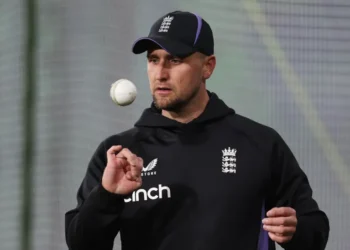
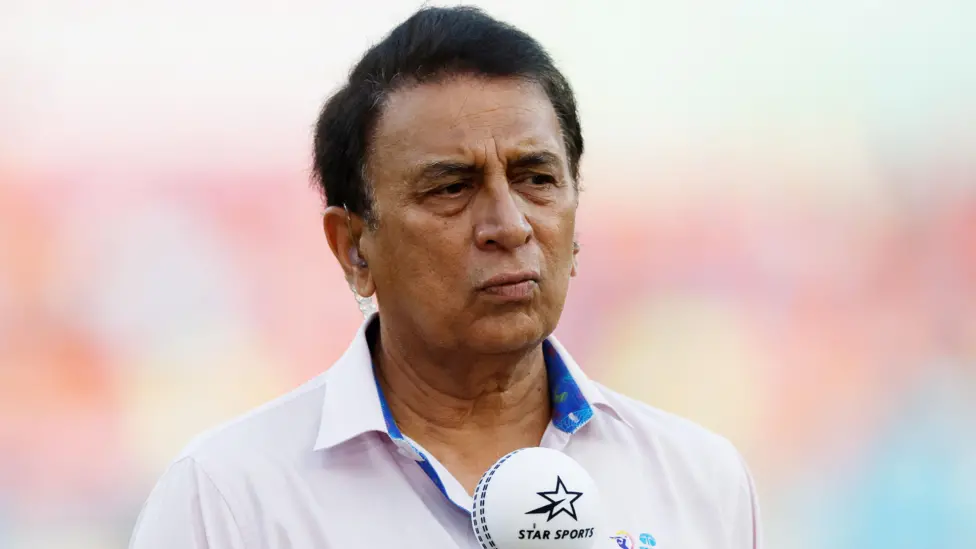
Former India captain Sunil Gavaskar has sparked a major debate after strongly criticising the decision by Sunrisers Leeds to sign Pakistan spinner Abrar Ahmed in The Hundred draft.
His remarks have become the most high-profile reaction to the signing, highlighting the ongoing tension between cricket and politics, particularly in the context of India-Pakistan relations.
Controversial Signing in The Hundred
The decision to recruit Abrar Ahmed came during last week’s Hundred auction and immediately drew attention due to its political sensitivity. Sunrisers Leeds are owned by the Sun Group, which also owns Sunrisers Hyderabad in the Indian Premier League.
Since 2009, IPL franchises have not signed Pakistani players because of strained political relations following the 2008 Mumbai attacks. This long-standing policy has shaped the dynamics of player recruitment in Indian-owned teams.
By signing Abrar, Sunrisers Leeds appeared to break away from this trend, easing concerns that IPL-linked franchises in The Hundred might avoid selecting Pakistani players altogether.
Gavaskar’s Strong Reaction
Gavaskar expressed his views in a column for an Indian newspaper, where he argued that the backlash surrounding the signing was understandable.
He suggested that financial transactions involving Pakistani players could indirectly contribute to harm, claiming that taxes paid by such players to their government could be used for military purposes.
His comments reflected a broader sentiment held by some sections of Indian society, where sports and politics often intersect. Gavaskar emphasized that this perspective has influenced Indian franchise owners to avoid engaging with Pakistani players or artists over the years.
Historical Context of Tensions
Relations between India and Pakistan have remained tense for decades, affecting sporting ties significantly. The two nations have not played a bilateral cricket series since 2013, and their interactions are now limited to multinational tournaments.
The situation worsened further after a military escalation in April last year following a deadly attack in Kashmir. Such events have reinforced existing policies, including the reluctance of teams to travel to each other’s countries for tournaments.
Even in recent matches, the rivalry has been marked by visible tension, with players from both sides sometimes avoiding customary gestures such as handshakes.
Reaction Within Cricket Circles
While there was some criticism on social media following Abrar’s signing, many within cricket initially believed the controversy would remain limited to online discussions. However, Gavaskar’s involvement has elevated the issue, bringing it into mainstream debate.
As one of the most respected figures in Indian cricket history, his opinions carry significant weight. Gavaskar was the first cricketer to score 10,000 runs in Test cricket and played a key role in India’s historic victory in the 1983 Cricket World Cup.
Since retiring, he has remained an influential voice in cricket commentary and analysis, making his criticism particularly impactful.
ECB and Franchise Response
The England and Wales Cricket Board has chosen not to comment directly on the controversy. However, prior to the auction, the ECB had reminded all franchises of their responsibilities regarding anti-discrimination policies.
In a joint statement with The Hundred teams, it was emphasized that players should not be excluded based on nationality. This stance reflects the ECB’s commitment to maintaining inclusivity within the competition.
Sunrisers Leeds have also not issued a formal response to Gavaskar’s remarks, though their head coach Daniel Vettori stated that he had not been given any instructions to avoid signing players from specific countries.
Ownership and Decision-Making
The Sun Group, founded by Kalanithi Maran, has significant influence in cricket through its ownership of Sunrisers franchises. During the auction, Maran’s daughter Kaviya Maran played an active role in the bidding process that secured Abrar Ahmed.
Gavaskar’s criticism extended beyond the player signing itself, focusing on the responsibility of franchise owners. He argued that even if decisions are made through overseas subsidiaries, the ownership structure still ties back to Indian entities.
He also suggested that while coaching staff like Vettori might not fully understand the political implications, franchise owners should exercise greater caution in such matters.
Broader Implications for The Hundred
The controversy has raised questions about how IPL-linked franchises will approach future auctions in The Hundred. Earlier reports indicated that some teams were considering avoiding Pakistani players altogether to sidestep potential backlash.
However, the ECB’s intervention and clear stance on anti-discrimination appear to have influenced decision-making, ensuring that nationality does not become a barrier for participation.
In the women’s Hundred auction, Pakistani players such as Fatima Sana and Sadia Iqbal were also included, further reinforcing the inclusive approach.
In the men’s competition, not all Pakistani players found teams, but Abrar Ahmed and Usman Tariq secured contracts, with the latter joining Birmingham Phoenix.
Looking Ahead
The Hundred is set to begin in July, and it remains to be seen how this controversy will impact the tournament. While tensions persist, the ECB’s commitment to inclusivity suggests that the competition will continue to promote diversity and equal opportunity.
Meanwhile, Sunrisers Hyderabad are preparing for the upcoming IPL season, where they are scheduled to face Royal Challengers Bengaluru in the opening match.
Gavaskar concluded his remarks by suggesting that there is still time for the decision to be reconsidered, expressing hope that a different course of action might be taken.
A Complex Intersection of Sport and Politics
This situation highlights the complex relationship between sport and geopolitics. While cricket has the power to unite fans across borders, it is also deeply influenced by political realities.
The debate surrounding Abrar Ahmed’s signing reflects broader issues that go beyond the game itself. It raises important questions about inclusivity, responsibility, and the role of sport in a divided world.
As discussions continue, the outcome may shape how similar situations are handled in the future, not only in cricket but across global sports.