
The 2026 Formula 1 season is just around the corner, and anticipation is sky-high as the sport prepares to enter a radically new era. With sweeping regulation changes affecting chassis design, tyres, fuel composition and power units, this campaign represents one of the most significant technical resets in F1 history. Fans will also need to familiarize themselves with fresh terminology, including concepts such as overtake mode, boost mode and active aerodynamics.
As teams finalize preparations for the season-opening Australian Grand Prix in Melbourne, reigning world champion Lando Norris will aim to defend his crown with McLaren. However, pre-season testing suggests that rivals Mercedes, Ferrari and Red Bull Racing could all mount serious challenges.
Ferrari and Hamilton: Hope or Uncertainty?
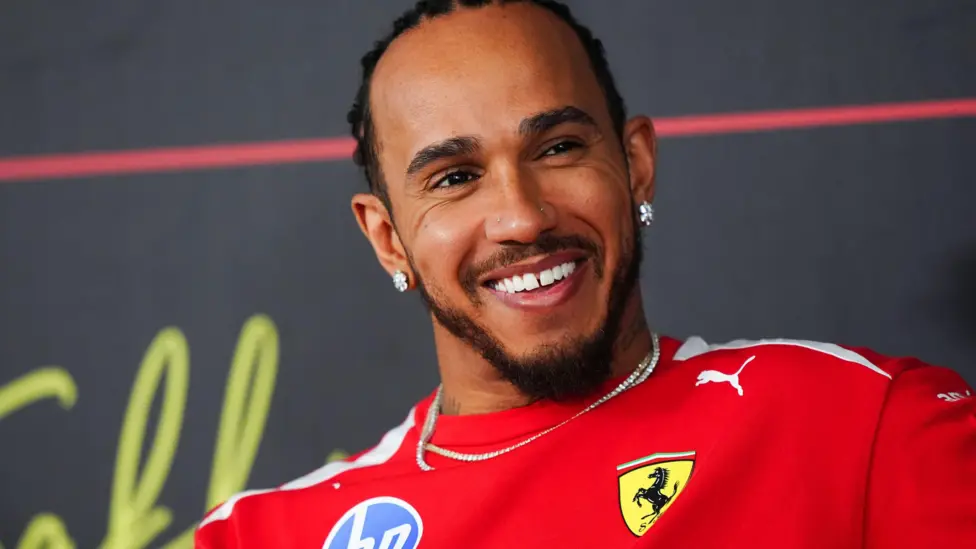
Much attention surrounds Ferrari and whether they can deliver a car capable of fighting for championships. That conversation inevitably includes Lewis Hamilton, now 41, who is chasing a record-breaking eighth world title.
Pre-season testing in Bahrain left many within the paddock believing that Ferrari and Mercedes appear especially competitive heading into Melbourne. Ferrari team principal Frederic Vasseur has cautioned against drawing early conclusions, emphasizing that development across the season could significantly shift the competitive order. While this may be a realistic assessment, it also eases pressure if Ferrari underperform initially.
Hamilton’s personal form remains a key unknown. His 2024 campaign with Mercedes and 2025 season so far with Ferrari have been inconsistent by his high standards. Recently, he admitted on social media that he had briefly lost sight of himself but now feels “re-set and refreshed.” The critical question is whether he can rediscover his peak performance level and match team-mate Charles Leclerc if the car proves title-worthy. At 41, some wonder whether age has dulled his edge—but the definitive answer will emerge only once the season unfolds.
Williams: A Setback Under New Rules
Expectations were high at Williams. Team principal James Vowles has repeatedly stated since joining in 2023 that 2026 represented a pivotal opportunity for resurgence under the new regulations.
After finishing fifth last year, hopes were strong for progress. Instead, testing painted a worrying picture. Williams reportedly ended pre-season with the ninth-fastest car, far from the step forward anticipated. Build delays caused them to miss early testing in Barcelona, and rumors circulated that their car was significantly overweight—possibly by as much as 20kg. In modern F1, that weight disadvantage can translate to roughly 0.7 seconds per lap, a massive deficit in a tightly packed midfield.
Vowles has acknowledged shortcomings while defending the team’s aggressive development approach, describing it as “intelligent failure”—pushing boundaries to understand limitations. Yet this moment marks his first true leadership test after a period of steady, if imperfect, improvement.
Arvid Lindblad: Youthful Milestones
One intriguing subplot involves Arvid Lindblad, the youngest British F1 driver in history, now racing for Racing Bulls. At 18, Lindblad has yet to pass his standard driving test—something that may surprise casual fans.
However, this scenario is not unprecedented. Max Verstappen debuted in F1 before passing his road test, completing it only upon turning 18. Similarly, Kimi Antonelli passed his exam just weeks before his first grand prix. In the world of elite motorsport, competitive licenses differ entirely from everyday driving requirements.
Aston Martin and Honda: A Risky Gamble?
Questions also surround Aston Martin and their engine partnership with Honda. The deal, signed in early 2023, aimed to secure exclusive “works” engine status—a historically crucial factor in title success.
At the time, customer teams rarely won championships in the modern era. That belief has since been challenged by McLaren’s success with Mercedes engines, but Aston Martin could not have predicted that shift. Honda’s previous return to F1 in 2015 with McLaren was rocky, though they eventually delivered a championship-winning engine for Red Bull in 2021.
In hindsight, the renewed Honda partnership appears problematic. Early signs suggest the power unit may lack competitiveness in energy recovery and outright power—echoing past struggles. Team owner Lawrence Stroll’s visible frustration during Bahrain testing underscored the tension, while veteran driver Fernando Alonso, who endured Honda’s earlier difficulties at McLaren, may feel a sense of déjà vu.
Can the Midfield Break Through?
Despite regulatory tools such as the budget cap and sliding aerodynamic testing scale, the top four teams still appear comfortably ahead. The intention behind these rules was to compress the field and offer midfield teams a genuine shot at joining the elite.
While last season showed encouraging signs of convergence, the entrenched advantages of experience, infrastructure and technical depth remain formidable. For now, the gap—estimated at around one second per lap—suggests the “Big Four” hierarchy is intact.
Overtake Mode vs Boost Mode Explained
The 2026 regulations introduce nuanced energy deployment strategies. Cars are limited to deploying a maximum of 350kW of electrical energy. Boost mode allows drivers to utilize additional energy from their standard 8.5MJ allocation (variable by circuit).
Overtake mode differs in that drivers within one second of a rival at a detection point may recover an additional 0.5MJ, permitting extended maximum deployment. Strategically, this could prove decisive when the car ahead lacks sufficient energy to defend.
Safety and Active Aero in Wet Conditions
With increased reliance on electrical deployment, concerns about speed differentials have emerged. If one car enters energy recovery mode while another remains at full power, collision risks increase. To mitigate this, the FIA has mandated gradual ramp-down slopes in energy delivery to prevent sudden speed losses.
Active aerodynamic systems also form part of the new era. In dry conditions, straight-line mode reduces drag by opening both front and rear wings. However, in wet races, race control may disable this function entirely or partially to preserve stability and safety.
The 2026 season promises unpredictability, technological innovation and renewed rivalries. Whether Hamilton can chase history, Ferrari can deliver, Williams can recover, or a midfield breakthrough can occur remains to be seen. What is certain is that Formula 1 is entering one of the most fascinating chapters in its history.
For full F1 analysis, race previews and exclusive updates, visit:
👉 https://netsports247.com