
Thomas Tuchel Faces Crucial Selection Decisions Ahead of World Cup
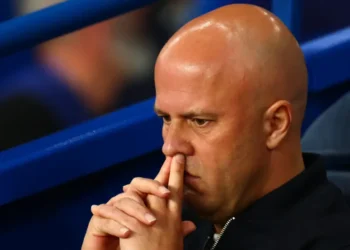
Thomas Tuchel finds himself at a defining moment as he prepares to finalize his squad for the upcoming World Cup. With the final international camp underway before announcing his preliminary selection, the England manager must make some of the toughest choices of his career—deciding not only who will travel to North America, but also who will be left behind. (netsports247.com
)
Tuchel has previously revealed that he is working from a longlist of around 55 players. While some names are likely already ruled out internally, narrowing that pool down to a final 23 is far from straightforward. Talent alone will not dictate his decisions—team dynamics and personality will play an equally critical role.
Beyond Talent: Building the Right Squad
Tuchel has emphasized that assembling a successful tournament squad requires more than simply picking the best individuals. He is focused on selecting players who can contribute positively to the group environment, even if they are not guaranteed starters.
He highlighted the importance of social qualities, teamwork, and the ability to accept different roles within the squad. Players must be willing to support teammates and contribute off the pitch as much as on it.
This approach reflects a long-standing truth in international football: a team full of stars does not always translate into success. In fact, it can create tension when high-profile players are forced to spend time on the bench.
Lessons from the Past
Former Germany international Christian Ziege experienced this issue firsthand during the 1998 World Cup. Germany entered the tournament with a squad full of strong personalities, many of whom considered themselves leaders.
The result was a lack of cohesion, culminating in a disappointing quarter-final exit against Croatia. Ziege later reflected that having too many players competing for the same roles—and expecting to start—created an unhealthy atmosphere within the squad.
This highlights a key challenge for Tuchel: balancing talent with harmony.
England’s Attacking Dilemma
One of Tuchel’s biggest selection headaches lies in England’s wealth of attacking midfield options. The squad is packed with technically gifted players capable of influencing games, but there are only so many positions available.
Choosing which players to include—and which to leave out—will require careful consideration. More importantly, Tuchel must ensure that those selected can accept limited playing time without disrupting the team’s unity.
Managing expectations will be just as important as evaluating ability.
The Importance of Squad Harmony
History provides numerous examples of managers prioritizing team balance over individual brilliance.
In 1998, Glenn Hoddle made the controversial decision to leave Paul Gascoigne out of England’s squad. Despite Gascoigne’s undeniable talent, concerns about his potential impact on squad harmony influenced the decision.
Similarly, Didier Deschamps noted tension within the France squad when Samir Nasri was unhappy with his role before being omitted from the 2014 World Cup.
These examples underline the importance of selecting players who not only perform but also contribute positively to the team environment.
Building a “Brotherhood”
Tuchel has spoken about his ambition to create a strong sense of unity within the England squad—a “brotherhood” that can withstand the pressures of a major tournament.
Experienced players like Jordan Henderson and Dan Burn have been highlighted for their leadership qualities and ability to foster a positive atmosphere.
While their inclusion may be questioned purely on footballing merit, their influence behind the scenes can be invaluable in maintaining team morale and cohesion.
The Need for Stability
Consistency is another crucial factor in international squad selection.
Former Switzerland manager Ottmar Hitzfeld emphasized the importance of maintaining a core group of players, typically around 16 or 17 individuals, who form the backbone of the team.
Frequent changes can disrupt team chemistry and prevent players from developing an understanding of their roles. With limited time together compared to club football, national teams rely heavily on continuity.
Tuchel is likely to follow a similar approach, ensuring that the majority of his squad is already familiar with his system and expectations.
The Temptation of a Wildcard
Despite the importance of stability, World Cup history is filled with examples of managers taking risks by including unexpected players.
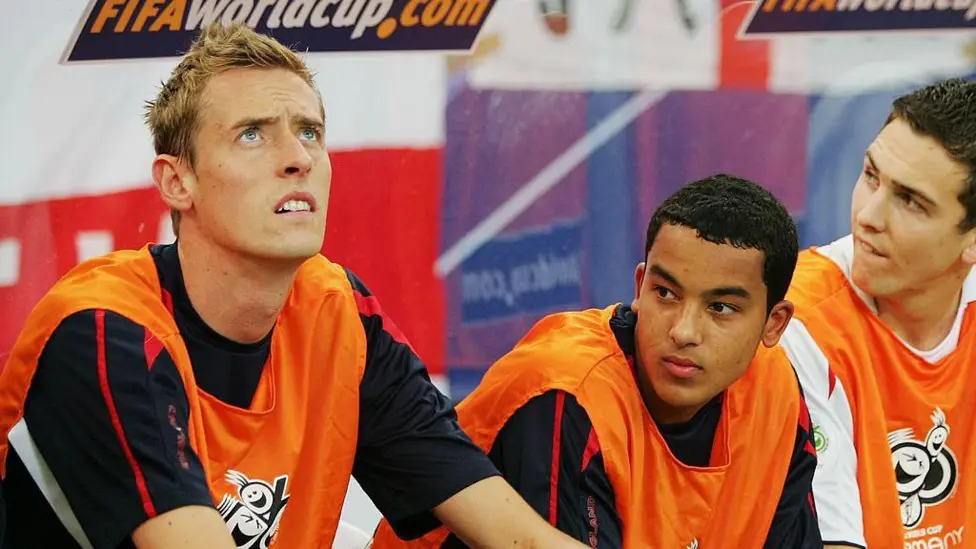
Former England managers Sven-Goran Eriksson and Bobby Robson both made surprising selections, calling up Theo Walcott and Steve Bull respectively.
While Walcott did not feature in the 2006 tournament, Bull made limited appearances in 1990. These decisions illustrate that some managers value the element of unpredictability a wildcard can bring.
Eriksson later explained that the final squad member is unlikely to determine the outcome of a tournament, making it worthwhile to take a calculated risk.
When Risks Pay Off
Occasionally, bold selections can lead to extraordinary success.
A famous example is Paolo Rossi, who was included in Italy’s 1982 World Cup squad despite concerns over his form following a suspension.
Under manager Enzo Bearzot, Rossi went on to deliver one of the most memorable performances in World Cup history, scoring crucial goals to lead Italy to victory.
His story demonstrates that unconventional decisions can sometimes define a tournament.
Tuchel’s Defining Challenge
As Tuchel approaches his final squad selection, he must strike the perfect balance between talent, teamwork, and tactical needs.
The decisions he makes will not only shape England’s chances of success but also reveal his managerial philosophy—how ruthless he is willing to be and how much he values harmony over individual brilliance.
In tournament football, success is often determined not just by the starting lineup, but by the strength and unity of the entire squad.
Conclusion
Selecting a World Cup squad is one of the most complex tasks a manager can face. For Thomas Tuchel, the challenge lies in building a team that is not only talented but also cohesive, disciplined, and mentally resilient.
With tough decisions ahead and limited room for error, his final selection will be closely scrutinized. Ultimately, it may not be the best 11 players that win the tournament—but the most balanced and united group of 23.
For more football news and updates, visit:
https://netsports247.com