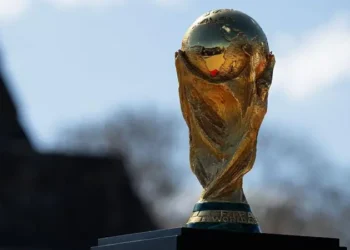

Mexico’s role as a co-host for this summer’s FIFA World Cup could face serious challenges following a sudden surge in drug cartel violence that erupted on Sunday, according to security and political experts. The escalating unrest has raised concerns about safety, infrastructure, and the country’s ability to host international football matches without disruption.
The violence is reportedly linked to the Jalisco New Generation Cartel (CJNG), one of the most powerful and dangerous criminal organizations operating in Mexico. The group launched violent retaliatory actions after the Mexican military killed its leader, Nemesio Oseguera Cervantes, widely known as “El Mencho,” during a recent army operation. His death has triggered a chain reaction of armed clashes, road blockades, and vehicle burnings across multiple regions.
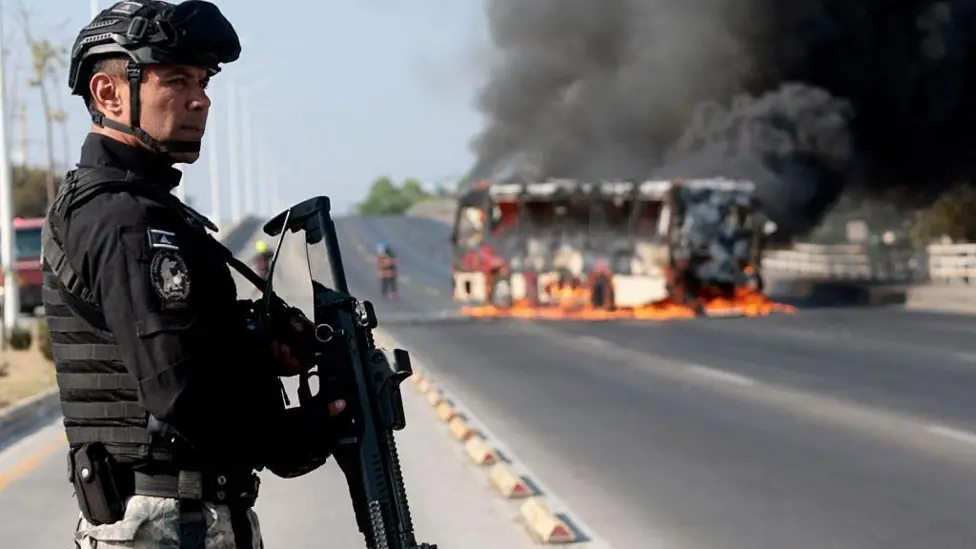
Initially, the violence began in Jalisco, a key state in central-western Mexico, where authorities quickly declared a “code red” security situation. However, the unrest has since spread to at least a dozen other areas, with alarming footage circulating online showing armed men patrolling streets and thick smoke rising from burning vehicles in urban centers. Within just 24 hours of the clashes, at least 25 National Guard officers were reported killed, highlighting the intensity of the confrontation.
The situation is particularly concerning because Guadalajara, the capital of Jalisco and a major metropolitan hub, is scheduled to host four matches during the World Cup. Additional matches are planned in Mexico City and Monterrey, both of which are major host cities expected to welcome thousands of international fans. Any instability in these regions could directly impact tournament logistics and fan safety.
Experts in criminal law and security studies suggest that violent retaliation from cartels is not unusual when their leadership is targeted. When a cartel leader is eliminated, rival factions and remaining members often engage in aggressive responses to demonstrate strength and maintain control. This type of backlash can sometimes spiral into widespread instability, making it difficult for authorities to contain the situation quickly.
Despite the alarming developments, some analysts believe that criminal organizations may not necessarily want prolonged disruption during the World Cup. According to academic experts, cartels often have financial interests tied to tourism and local economies. They own businesses such as hotels, restaurants, and entertainment establishments that benefit significantly from international visitors. A peaceful tournament could generate massive economic activity, which indirectly benefits local power networks, including illicit ones.
However, the short-term risks remain significant. The killing of El Mencho could create a power vacuum within the CJNG, potentially leading to internal conflicts as different factions compete for leadership. This struggle for dominance could prolong instability and trigger further violence across affected regions. Historically, such transitions within organized crime groups have resulted in unpredictable and often intensified conflict.
International reactions have already begun to surface. The United States government has advised its citizens in Jalisco to remain indoors until further notice due to the volatile security environment. Meanwhile, Canada has reportedly canceled flights to Puerto Vallarta airport, and flight tracking data has shown multiple aircraft returning to their departure locations, indicating growing global concern over safety.
Criminology experts estimate that the CJNG cartel is worth more than £10 billion and has tens of thousands of members. Since its formation in 2009, the group has been linked to numerous violent incidents, including massacres, kidnappings, and targeted killings of political figures. Despite its violent reputation, some cartel figures maintain localized support in certain communities, as they often fund infrastructure projects and provide financial assistance in economically struggling areas.
Researchers emphasize that the cartel’s aggressive response may be partly strategic. Demonstrating power through visible violence, especially in the age of social media, helps reinforce their influence and reputation nationwide. Public displays of force are often designed to send a message not only to the government but also to rival criminal groups.
For tourists planning to attend the World Cup, experts suggest that the overall risk level could be classified as moderate, provided the situation stabilizes and authorities effectively manage security operations. Military presence and coordinated law enforcement strategies in high-risk areas are expected to increase as the tournament approaches.
Security planning for the World Cup was already under scrutiny even before this latest development. Concerns had been raised regarding heavy policing measures in co-host nations, as well as broader geopolitical tensions and protests. The current wave of violence in Mexico adds another layer of complexity to the overall security landscape of the global sporting event.
The violence has already had a direct impact on domestic football activities. Several matches across Mexico’s top and second divisions were postponed due to safety concerns, indicating how rapidly the crisis has affected sporting schedules. This could potentially influence future decisions if unrest continues.
Political analysts also warn that Mexico may face increased international pressure to strengthen its crackdown on cartel operations. Over the past year, the country has already been under scrutiny regarding its handling of organized crime, and recent actions against cartel leaders suggest a more aggressive government strategy. However, such operations often come with the risk of severe retaliation, as seen in the current situation.
There is also concern about how global perception may shift. Images of violence, armed patrols, and burning vehicles circulating across international media could discourage fans from traveling to Mexico for the World Cup. Tourism confidence plays a crucial role in the success of such a massive global event, and any negative perception could impact attendance and revenue.
Former diplomats and policy experts note that the scale of the cartel’s response is unusually large, making it a serious national security issue. The involvement of advanced weaponry and organized armed resistance indicates that confrontations between military forces and cartel groups could continue in the short term.
Ultimately, the coming weeks will be critical in determining whether the violence is a temporary retaliatory episode or the beginning of a longer period of instability. Authorities are expected to intensify military operations and security coordination to ensure the safety of host cities and visiting fans.
While the World Cup remains one of the most anticipated sporting events globally, Mexico’s ability to manage security challenges will be closely monitored by international organizations, teams, and supporters. If stability returns quickly, the tournament could proceed smoothly. However, prolonged unrest could reshape travel plans, security policies, and overall tournament logistics.
For more latest sports updates and global event coverage, visit: https://netsports247.com