
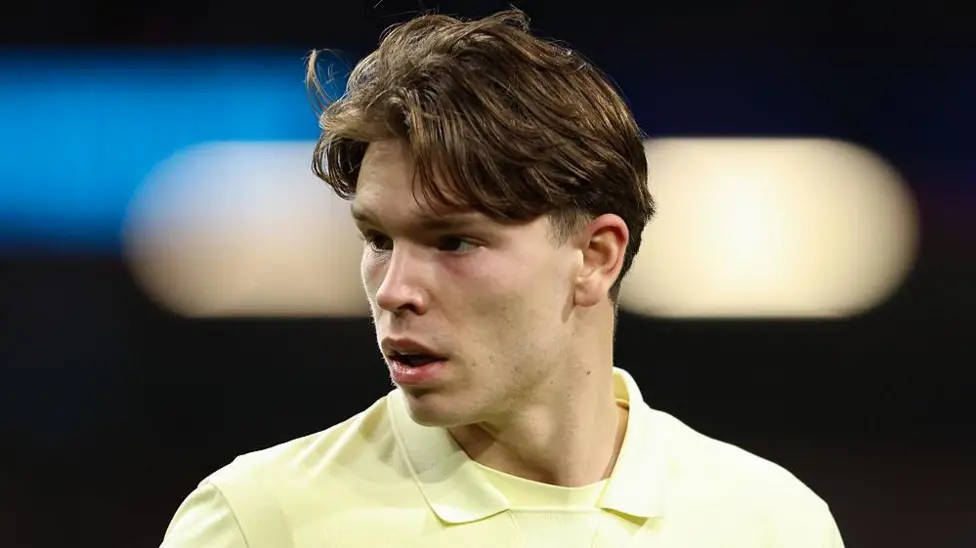
Tyler Dibling’s challenging first season at Everton: A talent in transition
When a staggering £100 million valuation was once linked to Tyler Dibling during his time at Southampton, it quickly became a source of amusement among his teammates. Yet behind the jokes lay a serious truth — Dibling was regarded as one of the brightest young prospects in English football.
Despite Southampton’s struggles and eventual relegation, Dibling’s individual talent stood out. His technical ability, confidence on the ball, and fearless dribbling made him a standout performer in a team that otherwise struggled to compete. Interest from top clubs such as Tottenham Hotspur and RB Leipzig only reinforced his growing reputation.
A high-profile move to Everton
When Dibling eventually made his move, it was Everton who secured his signature in a £40 million deal — a significant investment that placed him among the club’s most expensive signings ever. Expectations were naturally high.
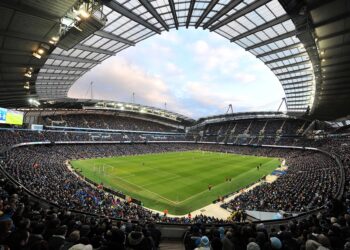
The move was seen as part of a broader vision at Everton under manager David Moyes, who returned for a second spell to lead a new era at the club, including their transition to the impressive Hill Dickinson Stadium. Dibling was expected to play a central role in this rebuild, viewed as a “generational talent” capable of shaping the club’s future.
Former Southampton manager Russell Martin was among those who strongly believed in Dibling’s abilities. He described him as the most talented player he had ever worked with, though he admitted he often had to downplay the hype to protect the young player from excessive pressure.
A difficult first season
However, Dibling’s first campaign at Everton has not gone as many expected. Instead of becoming an immediate first-team regular, the 20-year-old has found himself on the fringes of the squad.
He has started only four Premier League matches and made just six starts in total, accumulating 513 minutes of playing time across all competitions. For a player of his price tag and reputation, these numbers highlight a challenging adjustment period.
Even when opportunities appeared to open up — such as when Jack Grealish suffered a season-ending foot injury — Dibling was not the preferred option. Similarly, Dwight McNeil, who was close to leaving the club for Crystal Palace, was still chosen ahead of him once the transfer fell through.
This raises questions about why a player once so highly rated has struggled to establish himself.
Understanding the transition
There are several factors behind Dibling’s slow start. One of the most significant is the transition from Southampton to Everton — not just in footballing terms, but also personally.
Dibling is known to be an introverted individual, and moving away from his home environment in Southampton to the north of England has been a major life change. Adjusting to a new city, new teammates, and a different club culture can take time, especially for a young player.
Additionally, Everton represents a step up in expectations and demands. The pressure of a £40 million price tag can weigh heavily, particularly when fans expect instant impact.
Moyes’ approach to development
David Moyes has never been a manager known for rushing young players into the spotlight. Instead, he prefers a more measured approach, focusing on gradual development and ensuring players fully understand their responsibilities.
Moyes has been clear that Dibling must improve, particularly in training and overall work rate. The arrival of Tyrique George on loan from Chelsea has added further competition, pushing Dibling to raise his level.
For Moyes, talent alone is not enough. Players must also contribute defensively and fit into the team’s overall structure. This is an area where Dibling is still developing.
The importance of off-the-ball work
Former Everton midfielder Leon Osman, who played under Moyes, has provided valuable insight into the manager’s philosophy.
According to Osman, success in a Moyes team depends heavily on what players do off the ball. While Dibling’s attacking flair and dribbling ability are undeniable, he must also demonstrate discipline, defensive effort, and tactical awareness.
Osman himself experienced a similar journey early in his career, needing time to adapt to Moyes’ demands before becoming a key player.
He believes Dibling’s current situation is part of a natural learning process rather than a sign of failure.
Encouraging signs for the future
Despite limited playing time at club level, Dibling’s future remains bright. Within the England setup, he is highly regarded by Under-21 coach Lee Carsley, who considers him an important part of the team’s plans.
Dibling has already featured regularly for the England Under-21 side, contributing to their ongoing efforts to defend the European Championship title they won in 2023. His performances and attitude have been praised, indicating that his potential is still widely recognized.
A long-term investment
Dibling’s signing was part of a broader recruitment strategy by Everton’s owners, The Friedkin Group. The club has aimed to balance experienced Premier League players with younger talents who can develop over time and potentially increase in value.
Alongside established names, Everton have brought in several promising youngsters, including Merlin Rohl and Adam Anzou. This approach reflects a long-term vision rather than a focus on immediate results.
The role of patience
Leon Osman emphasizes the importance of patience in Dibling’s development. In today’s transfer market, high fees often create unrealistic expectations.
If Dibling had been signed for a lower fee, his gradual integration into the team might have been more easily accepted. However, the £40 million price tag has amplified scrutiny and pressure.
Osman remains confident that Dibling will stay at Everton and eventually become an important player for the club. He believes the young winger has the talent and determination to succeed if he continues to work hard and adapt.
A crucial pre-season ahead
Looking ahead, the upcoming pre-season is expected to be a defining period for Dibling. It will provide him with an opportunity to prove that he is ready to compete for a regular place in the starting lineup.
With a full year of experience at Everton behind him, he now has a better understanding of what is required both on and off the pitch.
If he can show improvement in training and demonstrate his ability to meet Moyes’ tactical demands, he could play a much bigger role in the upcoming season.
Conclusion
Tyler Dibling’s first season at Everton has been one of adjustment rather than immediate success. While his limited playing time may raise questions, it does not diminish his immense potential.
At just 20 years old, he is still at an early stage in his career. With the right guidance, patience, and development, he has every opportunity to fulfill the promise that once made him one of the most talked-about young players in English football.
For Everton, Dibling represents a long-term investment — one that could pay off significantly if nurtured correctly.