
Comments made by former Germany midfielder Bastian Schweinsteiger regarding Ivory Coast’s style of play have sparked significant controversy, with the African nation’s head coach Emerse Fae suggesting that the remarks could be interpreted as racist. The situation has ignited debate within the football world, raising broader questions about stereotypes and perceptions of African teams on the global stage.
Schweinsteiger, who was part of Germany’s 2014 World Cup-winning squad, made his comments while working as a television pundit ahead of Germany’s Group E clash against Ivory Coast at the 2026 World Cup. In his analysis, he described Ivory Coast’s approach as “a bit African football,” adding that it was “unorthodox,” “wild,” and “not so conditioned by tactics.” He also noted that such unpredictability could pose challenges for Germany.
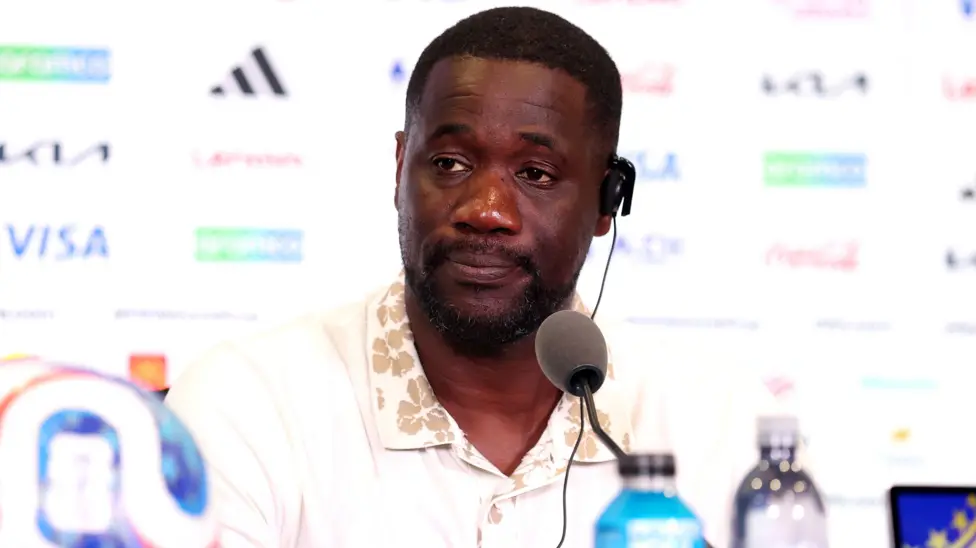
While the remarks may have been intended as tactical observations, they did not sit well with Ivory Coast’s coaching staff. Speaking after his team secured a historic place in the knockout stages for the first time ever, Emerse Fae expressed disappointment with Schweinsteiger’s characterization of his side.
Following Ivory Coast’s 2-0 victory over Curacao in Philadelphia—a result that ensured they finished second in Group E—Fae addressed the controversy in his post-match comments. He acknowledged Schweinsteiger’s achievements as a player but made it clear that he found the remarks troubling.
Fae explained that he had long admired Schweinsteiger’s playing style and football intelligence during his career. However, hearing such comments from someone he respected left him disheartened. He suggested that the statements could reflect outdated stereotypes about African football, which often emphasize physicality while overlooking technical and tactical sophistication.
“I think it’s sad,” Fae said. “Schweinsteiger was a fantastic player, and I always appreciated how he understood the game. But when I heard what he said, I was disappointed—not in the player he was, but in the person behind those words.”
The Ivory Coast manager went further, indicating that the remarks could be seen as discriminatory if interpreted in a certain light. He stressed that African teams have evolved significantly over the years and should not be reduced to simplistic labels.
“We could call it racist, if we are being completely honest,” Fae added. “I don’t agree with his perspective, but the best response I can give is through our performances on the pitch. African teams are not only physical; we are also highly technical and tactically disciplined.”
Fae also suggested that Schweinsteiger’s comments might have been made with the intention of attracting attention or generating debate. In the modern media landscape, controversial statements often gain traction quickly, and pundits may sometimes use provocative language to stand out.
Despite the criticism, Fae chose to take a measured approach. Rather than escalating the situation, he emphasized the importance of focusing on his team’s progress and continuing to challenge misconceptions through results and performances.
Meanwhile, Schweinsteiger’s remarks have already stirred discussion within Germany. The comments were made during a broadcast on ARD, one of the country’s major television networks. The phrasing he used—particularly the reference to “African football” as inherently “wild” and less tactically structured—has been widely debated in both media and football circles.
The controversy even drew attention from former Liverpool manager Jurgen Klopp, who was asked about the issue while attending the World Cup in New York. However, Klopp declined to engage with the topic in detail, acknowledging its sensitivity.
“This is a serious subject,” Klopp said. “I don’t think it’s appropriate for me to comment without fully understanding all perspectives. It’s different for African people and for others, and I’m not the right person to judge this situation.”
Klopp’s cautious response reflects the complexity of the issue. Discussions about race, representation, and cultural perceptions in football are often nuanced and require careful consideration. His decision to avoid giving a definitive opinion highlights the challenges public figures face when addressing such matters.
On the pitch, Ivory Coast have let their football do the talking. Despite suffering a narrow defeat to Germany, they managed to secure qualification for the knockout stages thanks to victories over Ecuador and Curacao. Their performances have demonstrated a balance of physical strength, technical ability, and tactical awareness—qualities that contradict the stereotypes highlighted in the controversy.
The team’s success marks a significant milestone in their World Cup history. Reaching the knockout rounds for the first time is a testament to the progress they have made under Fae’s leadership. It also underscores the growing competitiveness of African teams on the global stage.
Looking ahead, Ivory Coast will face either France or Norway in the round of 32, with the match scheduled to take place in Arlington, Texas. Regardless of the opponent, the team will enter the knockout phase with confidence and a determination to continue proving their capabilities.
The incident involving Schweinsteiger serves as a reminder of the importance of language in football analysis. While tactical discussions are a key part of the sport, the way teams and playing styles are described can have broader implications. Words can reinforce stereotypes or challenge them, shaping how audiences perceive different nations and cultures.
For Ivory Coast, the focus remains firmly on their World Cup journey. Fae and his players are determined to build on their achievements and showcase the true identity of their football. By doing so, they hope to inspire fans and contribute to a more accurate and respectful understanding of the game.
Ultimately, this controversy highlights the ongoing evolution of football as a global sport. As teams from different regions continue to compete at the highest level, there is a growing need to move beyond outdated narratives and appreciate the diversity and complexity of playing styles around the world.
For more latest sports news and updates, visit: https://netsports247.com/