
In 2011, Qatar Sports Investments (QSI) entered advanced negotiations to acquire Paris Saint-Germain, a club that at the time was far from the European powerhouse it is today. PSG had just finished 13th in Ligue 1, and there were genuine concerns among QSI officials, including Nasser Al-Khelaifi, that the team might even face relegation. The possibility of buying a second-division club was a real risk during those uncertain days.
Fortunately for all involved, PSG managed to stay in the top flight, and the takeover was completed. However, the club that QSI inherited was drastically different from the globally recognized brand we see today. It lacked stability, structure, and a clear footballing identity, despite being based in one of Europe’s most influential cities.
Over the next 15 years, PSG would undergo a remarkable transformation. This evolution was not just about spending money on players but also about redefining the club’s culture and long-term vision. The journey unfolded in stages, each contributing in its own way to the development of a club capable of competing at the highest level of European football.
In the early years following the takeover, PSG focused heavily on high-profile signings. This period, often referred to as the “bling-bling era,” was marked by aggressive spending aimed at quickly elevating the club’s status. Star players such as Zlatan Ibrahimovic, Neymar, Kylian Mbappe, and Lionel Messi were brought in to boost the team’s profile and competitiveness.
These signings helped PSG dominate domestic competitions and make deeper runs in the UEFA Champions League. However, the approach also created internal challenges. The presence of multiple superstars sometimes led to conflicts within the dressing room, with players exerting influence over tactical decisions and team dynamics. At times, individual egos overshadowed the collective goals of the team.
Examples of this included contract demands and special privileges granted to certain players. Kylian Mbappe, for instance, reportedly sought guarantees about playing time before committing to the club, while Neymar had clauses that allowed him to skip certain team obligations. These situations highlighted the limitations of a strategy built around star power.
Despite these issues, the era was crucial in establishing PSG as a global football brand. The club became widely recognized and respected, but it was clear that a more sustainable and cohesive approach was needed to achieve long-term success.
Recognizing this, Al-Khelaifi eventually declared the end of the star-centric model. The focus shifted from simply acquiring top talent to developing a clear footballing philosophy. Instead of asking how to win the Champions League immediately, the club began asking what style of football it wanted to represent.
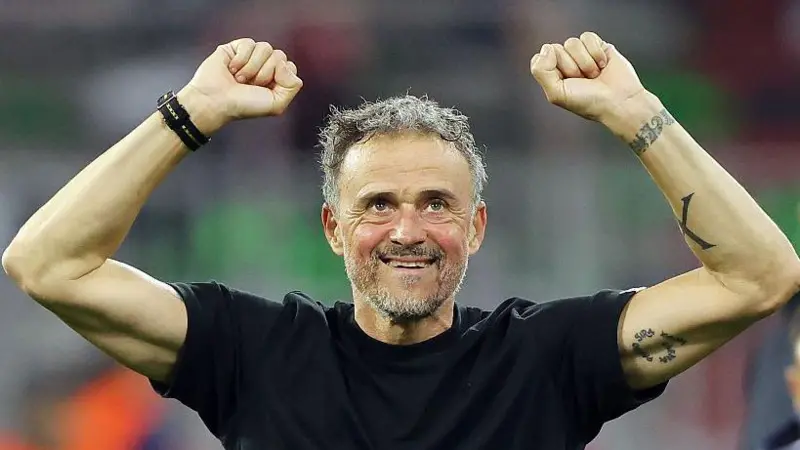
This shift led to the appointment of Luis Enrique as head coach. For the first time in the QSI era, PSG prioritized identity before recruitment. The club defined its playing style, selected a coach who aligned with that vision, and then built the squad accordingly.
As part of this transformation, several high-profile players from the previous era were allowed to leave. This included Messi, Neymar, Mbappe, Marco Verratti, and Sergio Ramos. The goal was not to punish these players but to reset the team’s priorities and ensure that no individual was bigger than the club.
Luis Enrique brought a new level of discipline and structure to the team. He emphasized teamwork, accountability, and consistency. Players were expected to meet high standards both on and off the pitch. Even small lapses, such as arriving late to training, were not tolerated. For example, Ousmane Dembele was dropped from the squad after being just 10 minutes late, demonstrating the coach’s strict approach.
This emphasis on discipline began to pay off. Players showed greater unity and professionalism, with improved behavior during matches and training sessions. The team became more focused on collective success rather than individual achievements. This was reflected in their playing style, with multiple players contributing goals instead of relying on a single star.
Statistically, the change was evident. PSG recorded contributions from 20 different goal scorers in a single season, highlighting the effectiveness of their team-oriented approach. The squad also displayed improved discipline, receiving fewer yellow cards and avoiding unnecessary confrontations with referees.
Another key aspect of PSG’s transformation was stability at the leadership level. The club established a clear structure involving three main figures: Luis Enrique, sporting director Luis Campos, and president Nasser Al-Khelaifi. Each had a defined role, ensuring better coordination and decision-making across the organization.
Campos focused on recruitment and squad building, Enrique managed the team’s playing style and tactics, and Al-Khelaifi oversaw the broader strategic vision. This alignment replaced the internal conflicts that had previously hindered the club’s progress.
Investment in infrastructure also played a significant role in PSG’s evolution. One of the most notable projects was the construction of a state-of-the-art training facility, costing approximately €350 million. This development reflected the club’s commitment to long-term growth and excellence.
Additionally, PSG made a conscious effort to reconnect with its French identity. The club increased its reliance on domestic players, with a significant portion of playing time going to French talents, many of whom came through the academy. This approach not only strengthened the team’s cultural roots but also contributed to a more cohesive squad.
The average age of the team also decreased, making PSG one of the youngest sides in Ligue 1 and among Europe’s top leagues. This focus on youth and development signaled a shift toward building a sustainable future rather than relying solely on established stars.
Beyond the club itself, Al-Khelaifi also played an influential role in European football. He opposed the European Super League, arguing that such a closed system would have prevented clubs like PSG from rising to prominence. As head of the European Club Association, he worked to maintain unity within the sport.
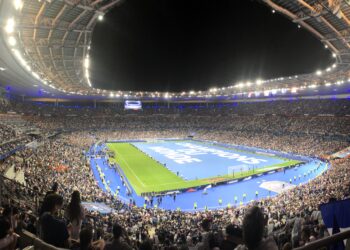
Despite all the progress, challenges remain. PSG’s stadium capacity is relatively small compared to other elite clubs, and financial disparities in television revenue continue to pose limitations. However, the club is now in a much stronger position than it was in 2011.
Today, PSG is not just a team filled with stars but a well-structured organization with a clear vision and identity. The journey from an underperforming Ligue 1 side to a Champions League contender has been complex and sometimes turbulent, but it has ultimately shaped a club that knows exactly what it wants to achieve and how to get there.