
On a rain-soaked evening in Invercargill, the southernmost city in New Zealand, the atmosphere was as dramatic as the weather itself. Known as the “city of water and light,” the town certainly lived up to its watery reputation that day. Established in the 1850s by Scottish settlers, Invercargill has long been associated with rugged charm and unpredictable weather. While some may have dismissed it—famously, Mick Jagger once referred to it in harsh terms during a 1965 tour—others, like former Scotland rugby international Scott Hastings, saw something entirely different.
It was September 2011, during the Rugby World Cup, and Hastings was in town as a television pundit ahead of Scotland’s upcoming clash with Georgia. Though the city seemed quiet at first glance, a closer look revealed a lively spirit. As rain poured heavily onto Esk Street, the sounds of singing and laughter echoed from a nearby pub. Inside, a large crowd had gathered, and at the center of it all was Hastings himself, standing on a chair and leading a spirited singalong. Performing songs by The Proclaimers, he captivated the crowd with enthusiasm and joy.
Hastings’ reaction to the setting was infectious. Rather than seeing Invercargill as remote or unremarkable, he celebrated it with genuine excitement, describing it as if it were one of the world’s most vibrant destinations. This moment perfectly captured his personality—adaptable, energetic, and relentlessly positive. Whether in rugby, business, media, or charity work, Hastings approached life with a remarkable sense of enthusiasm.
Beyond his lively personality, Hastings was also deeply committed to meaningful causes. He was a passionate advocate for raising awareness about motor neurone disease, especially through his close friendship with former rugby player Doddie Weir, who battled the condition before passing away in 2022. Hastings dedicated significant time and effort to fundraising and spreading awareness, demonstrating his compassion and dedication to helping others.
At the same time, he faced his own personal battles. Hastings was diagnosed with non-Hodgkin’s lymphoma, a type of cancer affecting white blood cells. Despite the seriousness of the illness, he remained determined and often spoke about it with humor and resilience. His ability to maintain a positive outlook, even during such a difficult time, inspired many who knew him.
However, the challenges in his life extended beyond his own health. His wife, Jenny, struggled with depression for many years. Their relationship was marked by both joyful moments—raising children and traveling the world through rugby—and periods of deep hardship due to her illness. Despite the difficulties, Hastings remained supportive and committed, facing the situation with strength and compassion.
Tragically, Jenny passed away in 2024 after an incident at Wardie Bay in Edinburgh. Hastings spoke openly about his grief and how he found solace by returning to the same place where she lost her life. Swimming there became a form of healing for him, a way to cope with loss and remember her. His openness about such deeply personal experiences resonated with many and highlighted his emotional strength.
News of Hastings’ passing at the age of 61 came as a shock to many. Even shortly before his death, he had remained active in rugby coverage during the Six Nations, showing his continued passion for the sport. His death marked the loss of a figure who had contributed immensely both on and off the field.
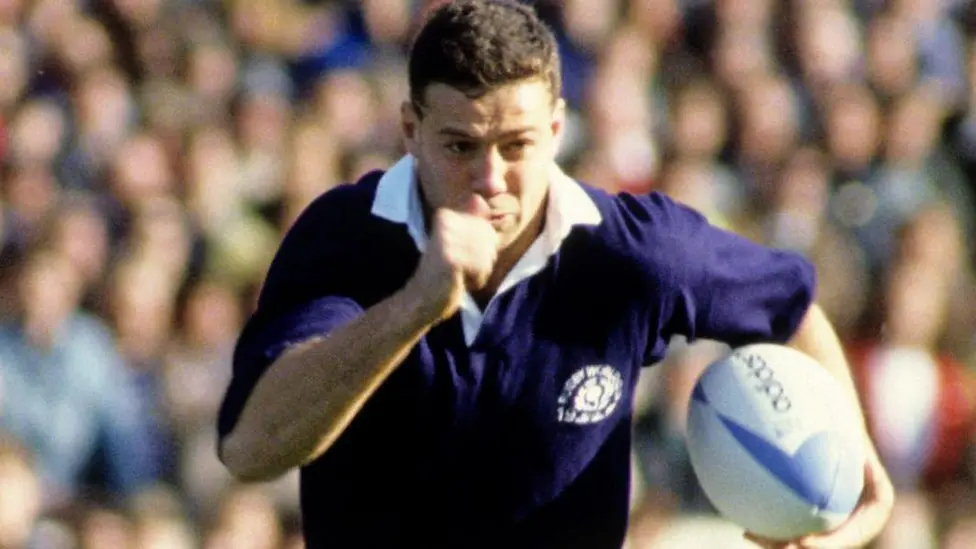
During his playing career, Hastings was known as a powerful and determined center. He made his debut for Scotland in 1986 alongside his brother Gavin Hastings, forming a notable sibling partnership in international rugby. Over the course of 11 years, he earned 65 caps and became one of Scotland’s most respected players.
One of the defining moments of his career came during the 1989 British and Irish Lions tour of Australia. Hastings played a key role as the team staged a comeback to win the series 2-1. The tour included intense matches, such as the famous “Battle of Ballymore,” which became part of rugby folklore.
Perhaps his most iconic achievement came in 1990 when Scotland secured a Grand Slam victory against England at Murrayfield. Hastings later described his emotional state before the match, admitting he was overwhelmed with passion and nerves. The team’s dramatic “slow walk” onto the pitch, led by captain David Sole, became an unforgettable moment in rugby history.
During the match, Hastings played a crucial role despite early setbacks. After England scored a try, he responded with a vital defensive effort, stopping winger Rory Underwood with a decisive tackle at a critical point in the game. This moment remains one of the most celebrated defensive plays in Scottish rugby history.
Off the field, Hastings was known for his humor and humility. He often joked about his achievements and maintained close relationships with teammates and friends. His bond with his brother Gavin, as well as his contributions to the sport and community, cemented his legacy as more than just a great player.
Scott Hastings will be remembered not only for his achievements in rugby but also for his kindness, resilience, and unwavering positivity. His life story is one of triumph, adversity, and a deep commitment to others. His legacy continues to inspire fans, teammates, and all who were touched by his remarkable journey.
For more sports updates and stories, visit:
👉 https://netsports247.com/