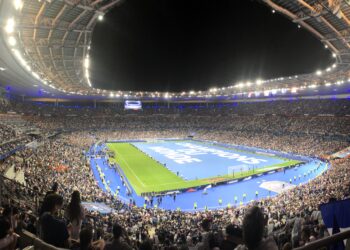

There was a time when Newcastle United prided themselves on being one of the most difficult teams to face in the Premier League. Their aggressive style, relentless pressing, and physical dominance made them a nightmare for even the strongest sides. That identity was perfectly captured in January 2023, when they held Arsenal to a frustrating goalless draw at the Emirates Stadium.
After that match, Arsenal manager Mikel Arteta admitted his frustration, noting that his team had not encountered a side quite like Newcastle. It was not just about the result; it was about the attitude Newcastle displayed. They refused to be intimidated, showing resilience and determination that had often been missing in previous years when visiting North London.
That particular performance, although not a victory, was viewed internally as a turning point. It symbolized Newcastle’s growth under manager Eddie Howe. The team no longer approached big games with caution or fear—they arrived ready to compete and disrupt.
The match itself was full of tension and minor controversies. Newcastle’s commitment to securing a result was evident even from the sidelines. Substitute Jamaal Lascelles received a booking for delaying an Arsenal throw-in late in the game, highlighting how far the team was willing to go to protect their position.
Tensions also spilled over between the managers. Eddie Howe, usually calm and composed, confronted Arteta after becoming irritated by his constant complaints to the fourth official. The exchange reflected the intensity of the contest and Newcastle’s refusal to back down.
Shortly after, Howe made his stance clear: Newcastle were not interested in being liked—they were there to compete. That mindset became a defining feature of the team. They embraced being difficult opponents, often frustrating rivals and grinding out results.
However, fast forward to the present, and that once-feared identity appears to be fading.
As Newcastle prepare to return to the Emirates Stadium, they find themselves in a worrying position. Sitting 14th in the league table, the team is struggling for consistency, and questions are being raised about Eddie Howe’s future.
The contrast between past and present performances is striking. Only a month ago, Newcastle showed glimpses of their potential. They managed to defeat Manchester United despite being reduced to 10 men, secured an impressive away victory at Chelsea, and nearly pulled off a remarkable win against Barcelona at St James’ Park.
These results suggested that the team still possessed the quality and resilience needed to compete at a high level. Yet, instead of building on that momentum, Newcastle have stumbled into a poor run of form.
Recent defeats have exposed serious weaknesses. One of the most concerning issues is their inability to maintain focus in the closing stages of matches. Against Bournemouth, Newcastle conceded a late goal that ultimately cost them the game. Despite equalizing earlier and appearing to regain control, they failed to see the match through.
This has become a recurring problem. Newcastle have conceded more goals after the 75th minute than any other team in the league this season. Such a statistic highlights a lack of concentration, discipline, and possibly fitness.
The manner of these late concessions is equally troubling. Players have been seen jogging back rather than urgently tracking opponents, allowing opposition attackers too much space in critical moments. This lack of urgency reflects a deeper issue within the squad—a drop in intensity and belief.
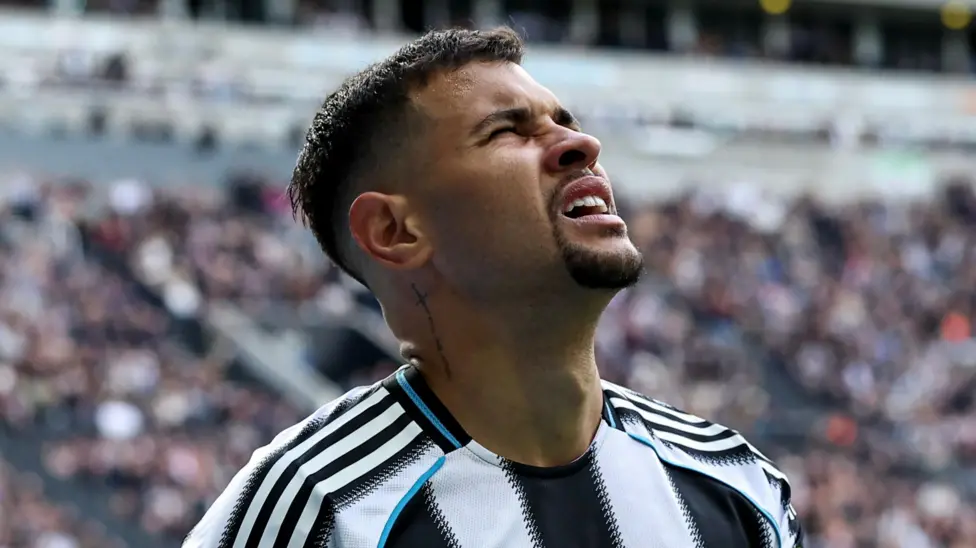
Body language on the pitch has also been a concern. After conceding, several players appear deflated, heads dropping as confidence drains away. This visible loss of belief makes it even harder for the team to recover during matches.
Kieran Trippier, one of the team’s most experienced players, has taken responsibility by addressing the media after defeats. Although he is set to leave the club at the end of the season, he remains one of the few vocal leaders in the squad.
Trippier acknowledged that Newcastle have drifted away from the qualities that once made them strong. He emphasized that the players themselves must take responsibility for their performances, particularly their inability to defend leads and close out games.
Defensively, Newcastle have become increasingly vulnerable. At the same time, they struggle to build on positive moments in matches. This combination—leaky defense and lack of attacking consistency—has proven costly.
Another alarming statistic is the number of points Newcastle have dropped from winning positions. Losing 25 points after taking the lead indicates a team that lacks composure and control under pressure. For any manager, this is a deeply concerning trend.
The problems extend beyond individual matches. There is a sense that Newcastle have lost their identity. Previously, they were known for their physicality and ability to dominate duels. Now, they often appear second-best in these battles.
Defender Dan Burn previously described the team as one that could “bully” opponents. That reputation seems to have diminished, with recent performances lacking the same intensity and aggression.
Several factors may have contributed to this decline. A demanding schedule, uncertainty surrounding key players’ futures, and a challenging transfer window have all played a role. However, these factors alone cannot fully explain the downturn.
Eddie Howe himself has acknowledged the need for improvement. He admitted that the team must find ways to respond better and rediscover the qualities that made them successful.
In previous seasons, Newcastle were known for bouncing back quickly after defeats. That resilience now appears to be missing. Instead, losses seem to have a lingering effect, affecting subsequent performances.
The upcoming match against Arsenal presents both a challenge and an opportunity. It is a chance for Newcastle to prove they can still compete with top teams and regain some of their lost confidence.
For Howe, the task is clear. He must find a way to restore belief, improve defensive organization, and reignite the fighting spirit that once defined his team.
Whether Newcastle can rediscover their edge remains to be seen. But without a significant turnaround, their season risks slipping further into disappointment.